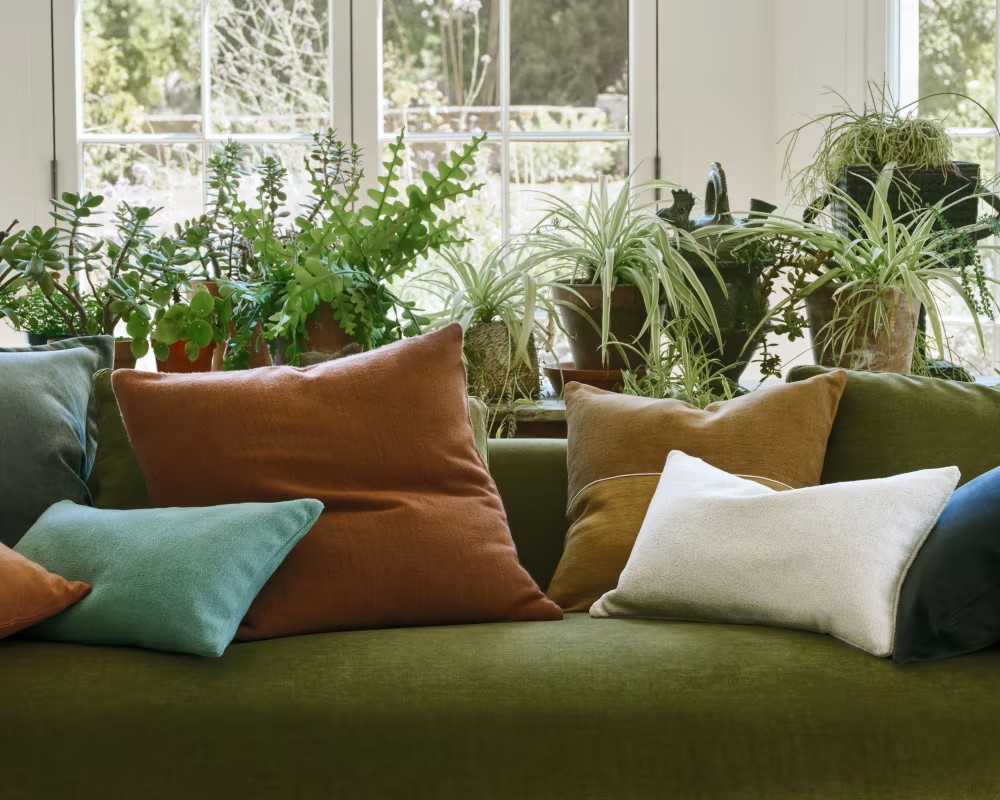
A sofa often becomes the most frequently used piece of furniture in a living room, so appearance is only one part of the decision. Seat depth, cushion feel, frame size, fabric and delivery access can determine whether a beautiful design actually works in daily life. Loaf is known for relaxed sofas and laid-back furniture, which makes comfort an obvious part of the conversation. A better buying process still begins with the room itself. The goal is to understand how much physical space the sofa can occupy without making doors, walkways and surrounding furniture awkward to use.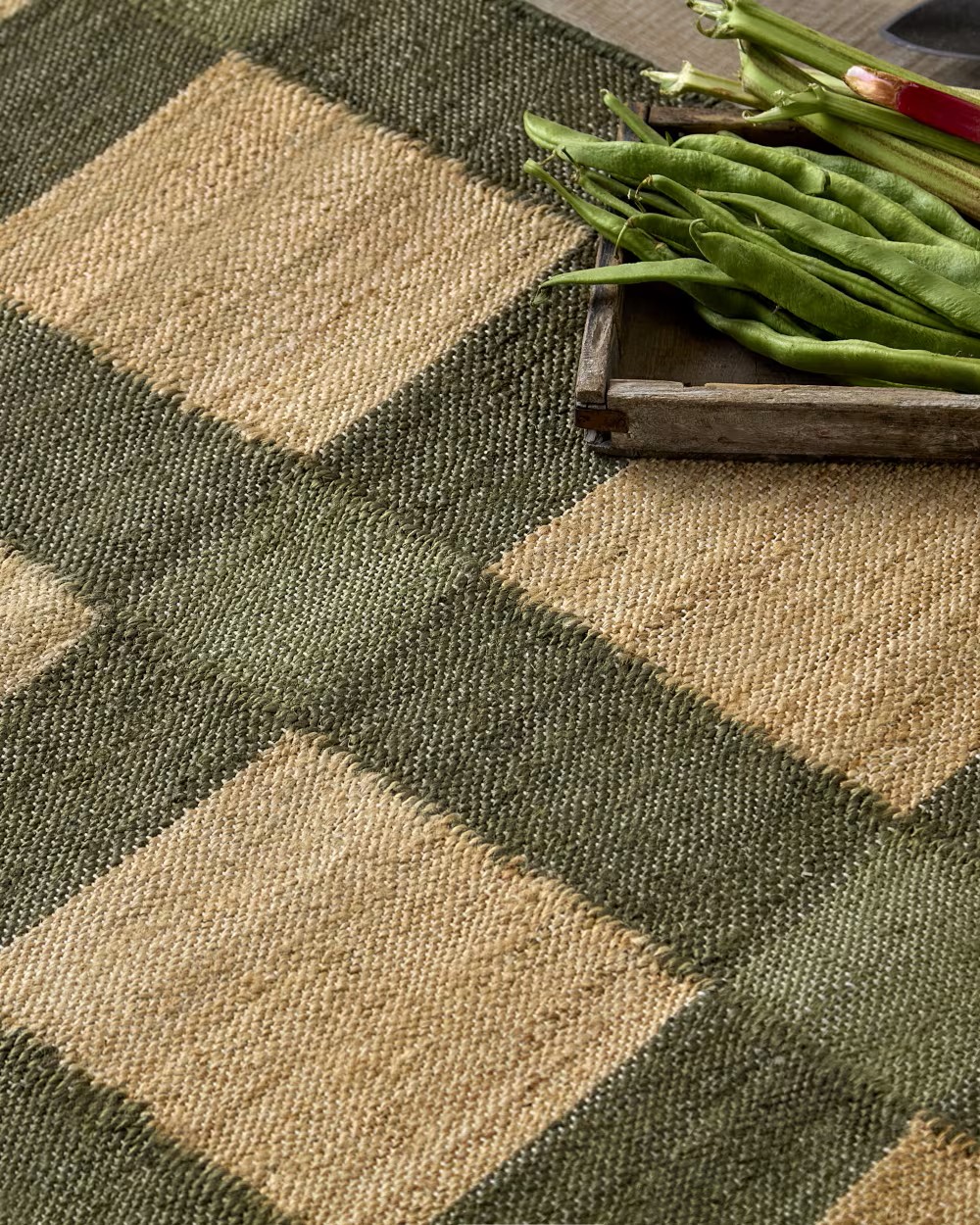
Measure for movement as well as width
Room measurements should include more than the wall where the sofa will stand. A deep model can project much farther into the room than expected, while wide arms may reduce usable seating space. Doorways, stair turns and lifts also matter because a sofa has to reach the room before it can be enjoyed. Loaf provides dimensions for different designs, but buyers should translate those numbers into the actual home. Masking tape on the floor can outline the footprint and make scale easier to judge. It can also show whether a coffee table, side table or floor lamp still has enough space to function comfortably.
Choose comfort for the way the room is used
Comfort depends on how people sit. Someone who prefers an upright posture for conversation may want different proportions from a household that spends evenings stretching out with films. Seat height can affect ease of standing, while cushion filling influences both softness and maintenance. Loaf tends to emphasise a relaxed look, yet individual models can still feel different in depth and support. Testing in person is useful when possible. When it is not, dimensions can be compared with a familiar sofa at home. Measuring seat height, depth and back support on an existing piece creates a practical reference for online comparison.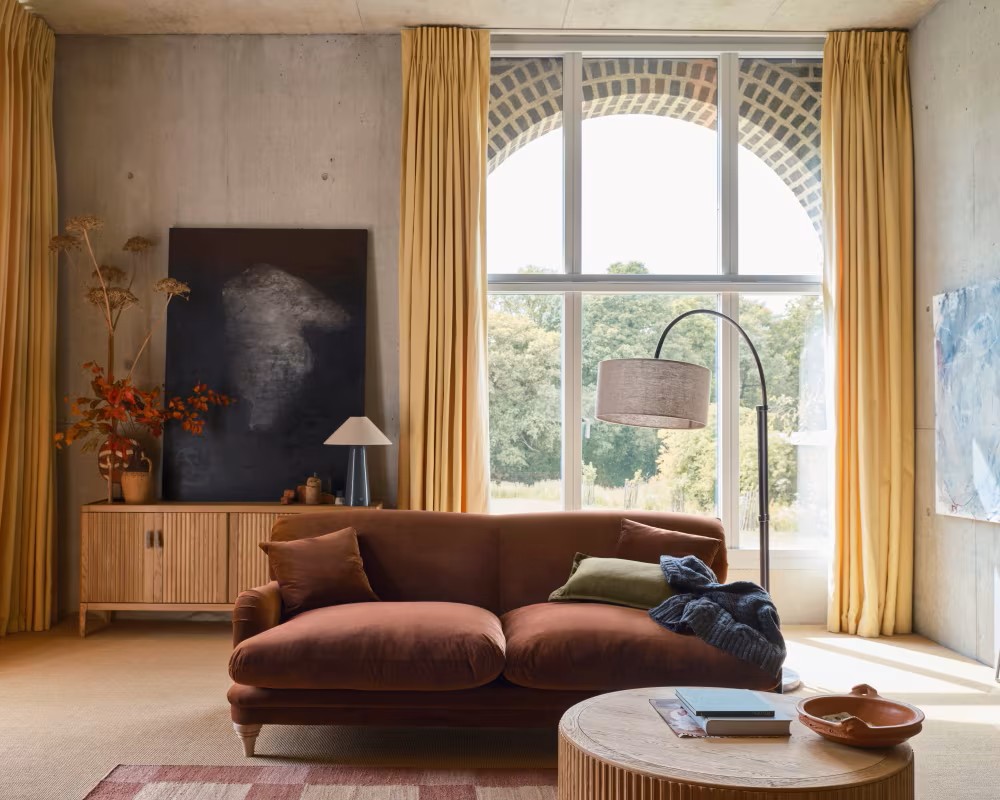
Treat fabric as a practical decision
Fabric should be chosen around the household rather than a showroom image. Texture, colour and cleaning requirements can change how easy a sofa is to live with. Useful checks include
– ordering swatches and viewing them in both daylight and evening lighting
– considering how pets, children or frequent entertaining affect cleaning needs
– checking whether loose covers or cushion covers can be removed for care
– choosing a tone that works with flooring and other large surfaces already in the room
Loaf offers fabric choices that can shift the character of the same basic shape, so the material decision deserves as much attention as the silhouette.
Think about the sofa as part of the whole room
The final choice should connect with the whole room. A large sofa may need visually lighter tables and chairs around it, while a compact model can leave room for an armchair or extra storage. Rug size, lighting and the position of television equipment can also affect placement. Loaf can provide a strong focal point in a relaxed interior, but the sofa should not dominate circulation or force every other item into an uncomfortable position. A successful purchase balances comfort, scale and maintenance. When those practical questions are settled first, colour and styling become easier to enjoy because the furniture already works with the way the room is actually used.
Cushion maintenance should be considered before choosing an especially soft or relaxed style. Some fillings look best when regularly turned, plumped or redistributed. A household that enjoys that informal look may be happy with the routine, while someone wanting a consistently crisp appearance may prefer a more structured seat. Seat cushions should also be compared with the number of people who normally use the sofa. Individual cushions can define personal seating positions, while a bench cushion creates a cleaner visual line and can be easier for several people to share. Neither format is automatically better. The choice depends on how the room is used and how much day-to-day reshaping feels acceptable.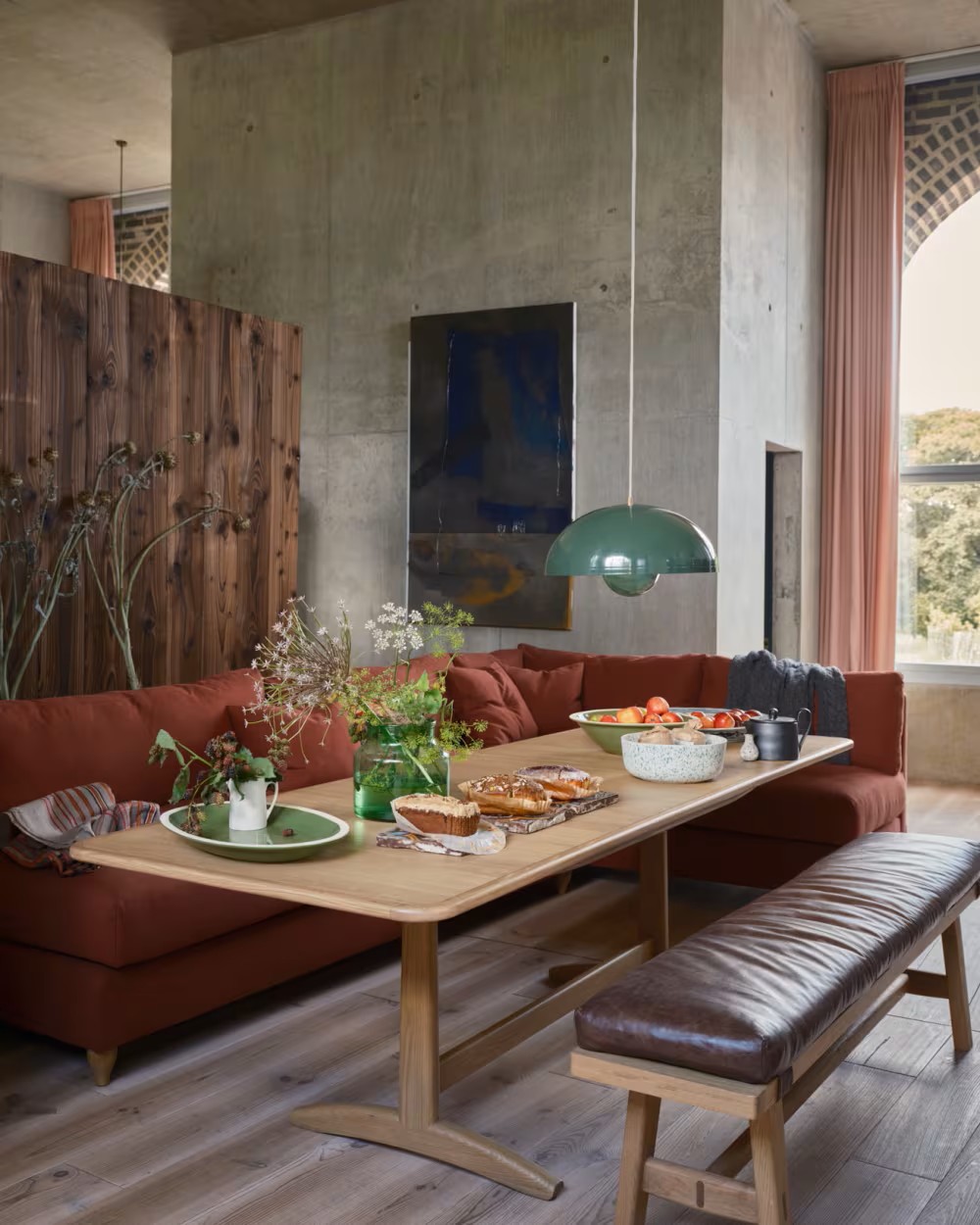
Delivery planning is another part of comfort because a sofa that cannot reach the room is not a workable sofa. The route from the entrance should be measured at narrow doors, hall turns, stair landings and any low ceilings. Removable legs may help, but that should be confirmed from the product information rather than assumed. In flats, lift dimensions and communal access can be just as important as the doorway into the home. Once the sofa is installed, leaving a little space around it can make cleaning easier and protect nearby walls. These practical details are easy to overlook when attention is focused on fabric and shape, yet they have a direct effect on how smoothly the purchase fits into everyday life.
Long-term satisfaction also depends on accepting how upholstery changes with use. Cushions soften, fabrics settle and favourite seats may develop more character than rarely used areas. Rotating cushions where the design allows can distribute wear, while prompt cleaning protects the material from becoming permanently marked. A sofa chosen with realistic expectations about ageing is easier to enjoy than one expected to look untouched throughout years of daily use.