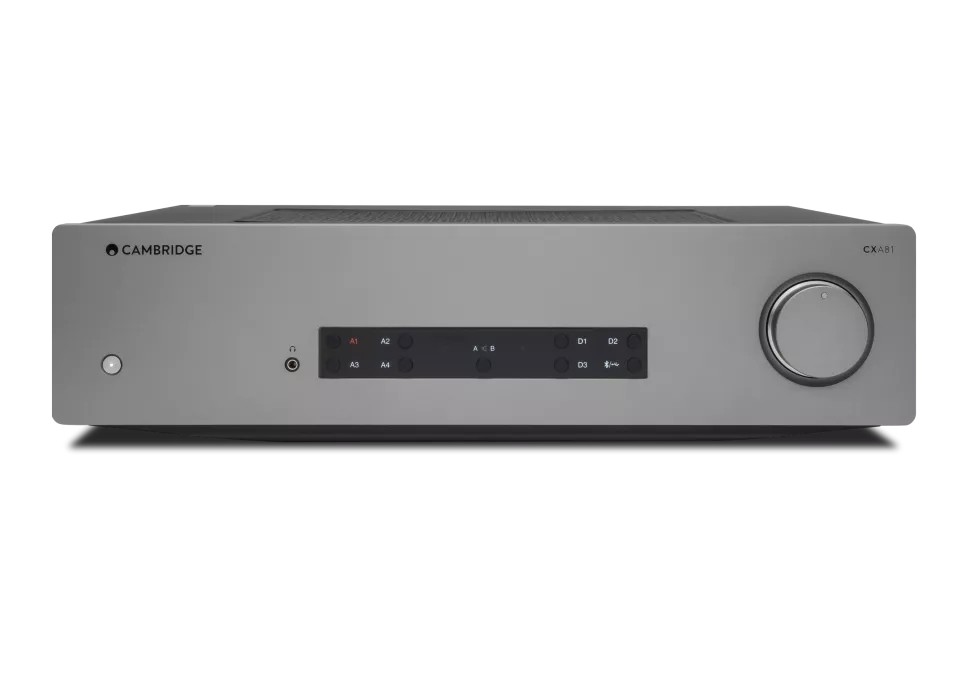
A satisfying home audio system is rarely created by buying the most expensive component available. Balance matters more. Source quality, amplification, speakers, room layout and everyday convenience all influence what reaches the listener. Cambridge Audio builds products across several parts of that chain, making the brand a useful reference point for understanding how separate hi-fi components work together. The most practical approach begins with the listening habits in the household. Someone who streams almost everything needs a different system from a collector who regularly plays records or CDs, and a compact living room creates different constraints from a dedicated listening space.
Define the role of every component
Each component should have a clear job. A network streamer organises digital sources, an amplifier provides control and power and loudspeakers convert the electrical signal into sound in the room. Combining functions can reduce clutter, while separate components can make later changes easier. Products from CambridgeAudio cover both approaches, so a buyer can decide whether simplicity or modularity matters more. Inputs deserve particular attention. A television may require a suitable digital connection, a turntable may need phono support and older source equipment can depend on analogue inputs. Planning those connections before purchase prevents a capable system from becoming inconvenient in daily use.
Prioritise compatibility over specification chasing
Compatibility is more useful than headline numbers taken alone. Speaker sensitivity, amplifier capability and listening distance interact, while room size affects how much output is actually useful. Digital features deserve the same practical treatment. Streaming services, wireless standards, control apps and multiroom support only add value when they fit the household routine. Cambridge Audio provides network-focused equipment alongside traditional hi-fi electronics, which illustrates how modern systems often mix classic audio principles with software-driven convenience. A balanced shortlist should therefore consider sound quality, connection options, software support and physical dimensions together rather than treating any single specification as the deciding factor.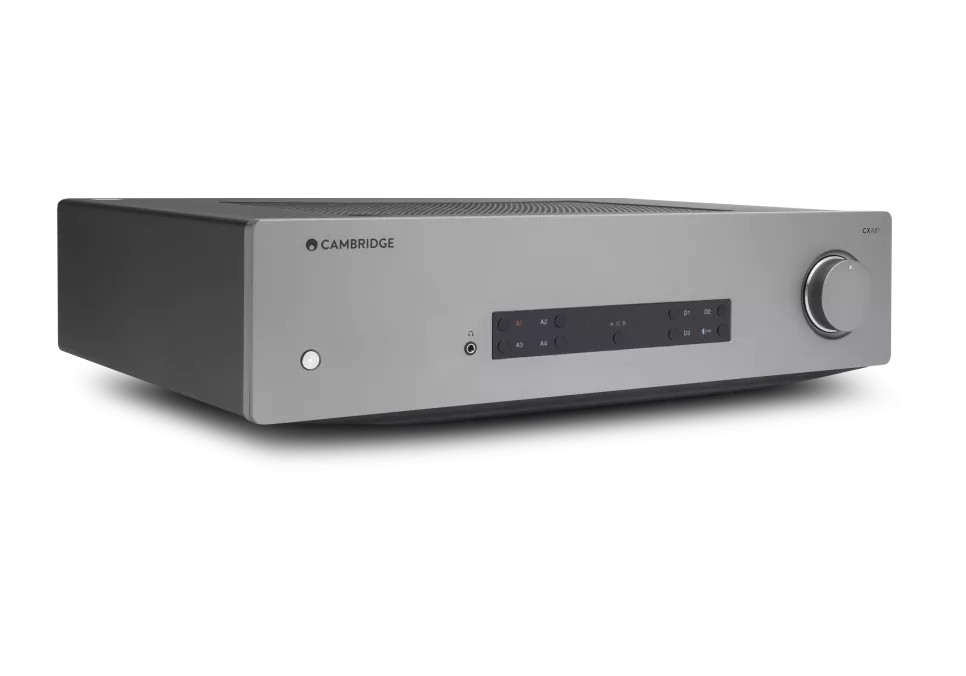
Use the room as part of the system
The room itself should be treated as part of the audio system. Hard reflective surfaces, speaker placement and seating position can change the perceived balance more dramatically than a minor electronics upgrade. Before replacing equipment, a household can check
– whether both speakers have similar space around them and a reasonably symmetrical listening position
– whether furniture blocks drivers or ports and changes the way low frequencies behave
– whether cables can be routed safely without forcing components into poorly ventilated spaces
– whether the main seat is positioned away from obvious room boundaries that exaggerate bass
A system built around Cambridge Audio equipment can benefit from these basic adjustments just as much as any other hi-fi setup.
Upgrade one limitation at a time
Upgrades become more meaningful when they address a known limitation. If the system lacks convenient streaming, a new source component may have the greatest effect on daily use. If dialogue from a connected television is difficult to follow, speaker positioning or system integration may deserve attention first. If vinyl playback is the priority, the phono stage and turntable setup become more important. Cambridge Audio gives buyers several routes through these decisions, but no single upgrade path fits every room. Listening habits should guide the order of investment. A carefully matched system that is easy to use often provides more long-term satisfaction than an impressive collection of components whose features overlap or remain unused.
Source quality should be considered in the same practical way. A household using lossless streaming, internet radio and television sound may need easy digital switching more than a large collection of analogue inputs. A vinyl-focused system may place greater importance on cartridge setup, phono amplification and isolation from vibration. Neither approach is inherently more serious. The important point is that the signal path reflects what is actually played. Convenience also affects listening frequency. A system that sounds excellent but requires several remotes, awkward menu changes or repeated cable swapping may be used less often than a slightly simpler one that starts quickly. Control should therefore be treated as part of system design rather than an afterthought.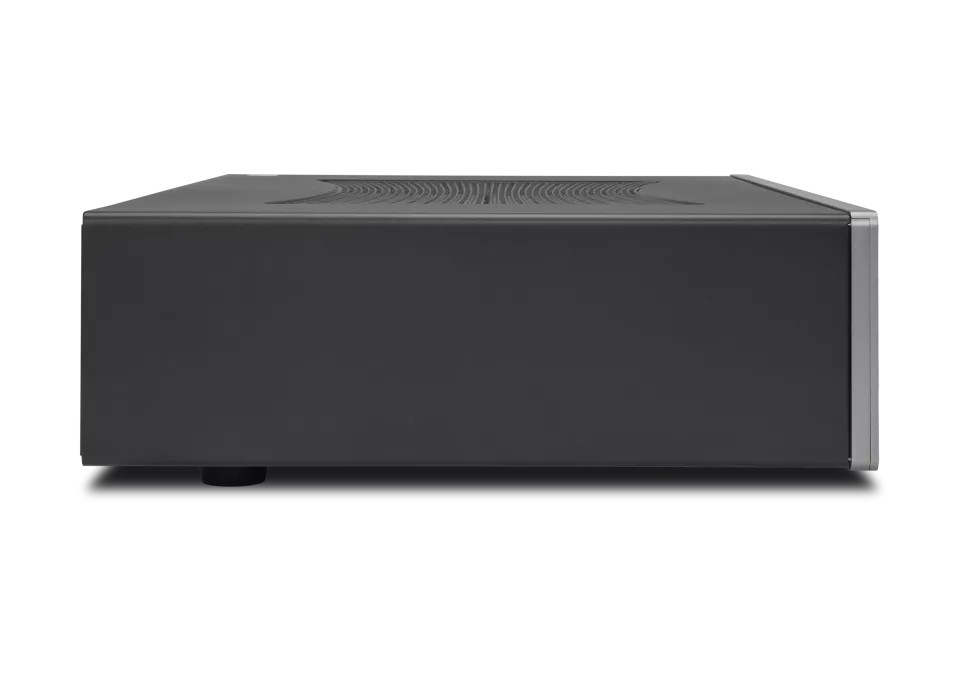
Speaker placement offers another low-cost route to improvement. Small changes in distance from rear walls can alter bass weight, while toe-in can affect centre imaging and treble balance. The two speakers should begin from comparable positions before fine adjustment. Listening tests are more useful when one variable changes at a time and familiar recordings are used repeatedly. The process does not need specialist measurement equipment to be informative. A notebook with placement distances and observations can reveal which changes consistently help. Once placement and room constraints are understood, future component upgrades become easier to judge because the existing system is already operating under sensible conditions. That reduces the chance of replacing electronics to solve a problem that was primarily created by furniture, room boundaries or an unsuitable listening position.
A final listening session should use several familiar recordings at normal volume. Different voices, acoustic instruments and bass-heavy tracks can expose different strengths. The goal is not to create a system that impresses for a few minutes, but one that remains enjoyable and easy to operate through long listening sessions.