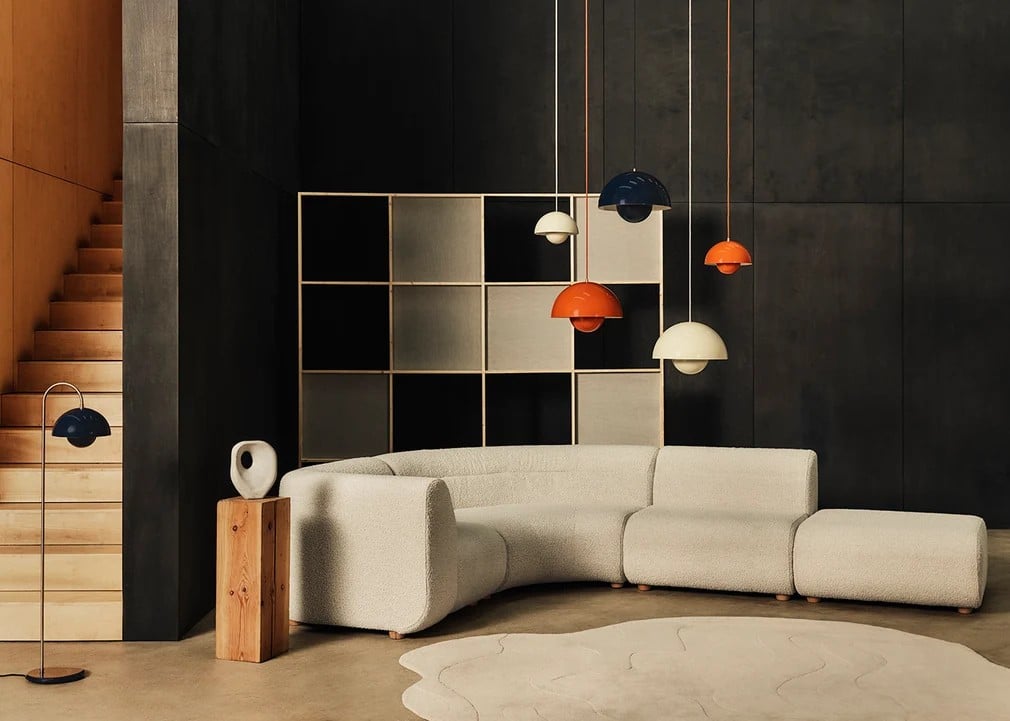
Contemporary furniture often makes an immediate impression through shape, proportion and material. That visual impact is valuable, but a home still needs pieces that support ordinary sitting, dining, working and storage. Heal’s has a long association with design-led furniture, making its range a useful context for considering how aesthetics and function can coexist. A careful buyer looks beyond a product photograph and asks how the item will behave in the room. The best design is not simply attractive from across the space. It also feels comfortable to use, allows easy movement and can tolerate the demands of daily life.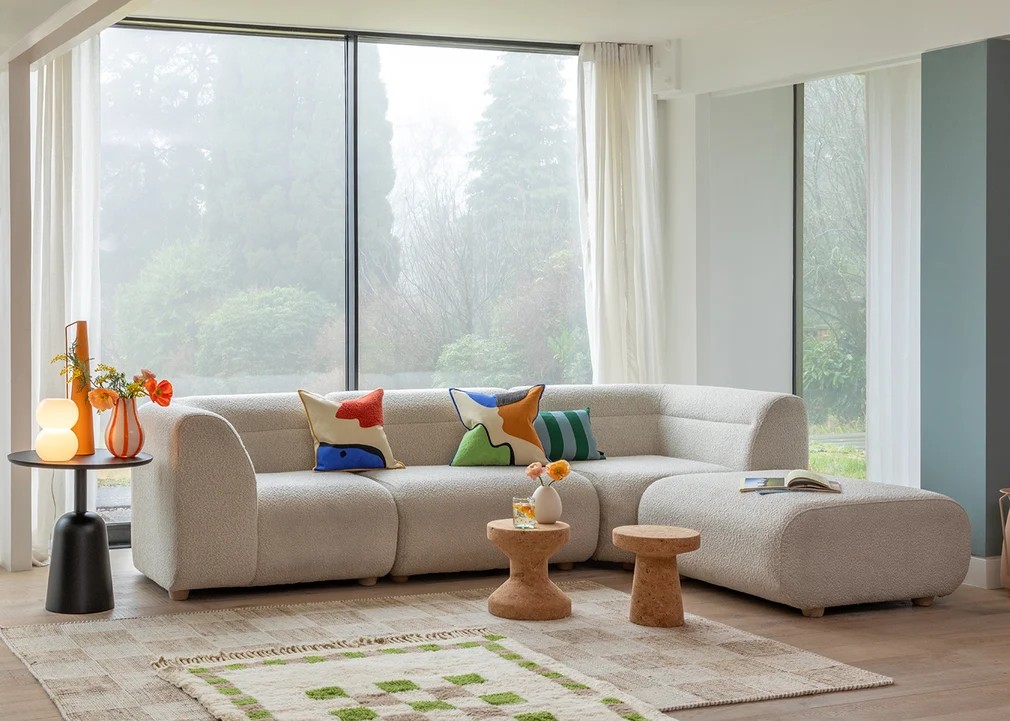
Read the shape before focusing on colour
Shape should be assessed before colour because silhouette determines how much visual and physical space a piece occupies. A curved sofa can soften a room but may need more clearance than a straight-backed alternative. A sculptural chair can create interest while leaving less flexibility for rearrangement. Heal’s offers many strongly defined forms, so measurements should be considered in three dimensions. Height matters beside windows, depth affects circulation and arm width changes usable seating. Tape on the floor helps with footprint, while a cardboard outline can help a household understand the height of a cabinet or the visual mass of a headboard.
Judge comfort through dimensions and support
Comfort is easier to compare when dimensions are connected to body position. Seat height influences how easily a person sits down and stands up. Seat depth affects whether the back receives support or whether extra cushions are needed. Dining chairs need enough clearance under the table and lounge seating needs to suit the way the household relaxes. Heal’s provides design detail, but buyers should still compare dimensions with furniture that already feels comfortable. That reference can be more meaningful than generic descriptions such as soft, deep or supportive because those words can mean different things to different people.
Mix design eras with a light touch
A room usually feels more personal when design eras are mixed carefully rather than reproduced as a complete showroom set. A contemporary sofa can sit beside an older timber table when colour, scale or material creates a connection. A practical approach can include
– repeating one metal finish across a few details rather than every item
– allowing a distinctive chair or light to become the main focal point
– keeping larger background pieces visually calmer when artwork or rugs are expressive
– checking that mixed furniture heights still create a comfortable visual rhythm
Heal’s can supply a statement piece or a quieter foundation, depending on what the room already contains.
Protect long-term value through practical care
Care protects the long-term value of design furniture. Upholstery should be vacuumed appropriately, timber protected from persistent moisture and surfaces used in line with their finish. Sun exposure can affect both fabrics and wood, so placement has maintenance consequences. Heal’s products can remain visually strong when the household understands what each material requires and chooses accordingly. The most sustainable purchase is often a piece that continues to work through several room updates because its proportions and function remain useful. A balanced decision therefore brings together form, comfort, care and flexibility. Style creates the first attraction, but practical performance is what allows the design to remain convincing after years of ordinary use.
Design furniture should also be evaluated from several viewpoints. A chair that looks light from the front may have a deep profile from the side, while a table with a thin top can still feel visually heavy because of its base. Photographs taken from the main doorway, sofa and dining position can help a household understand which angles matter most. Sightlines to windows and architectural features should remain open where possible. This is particularly important in multifunctional rooms where one piece may be visible from the kitchen, entrance and living area. Successful contemporary furniture tends to reward this broader view because its form contributes to the room even when it is not being used.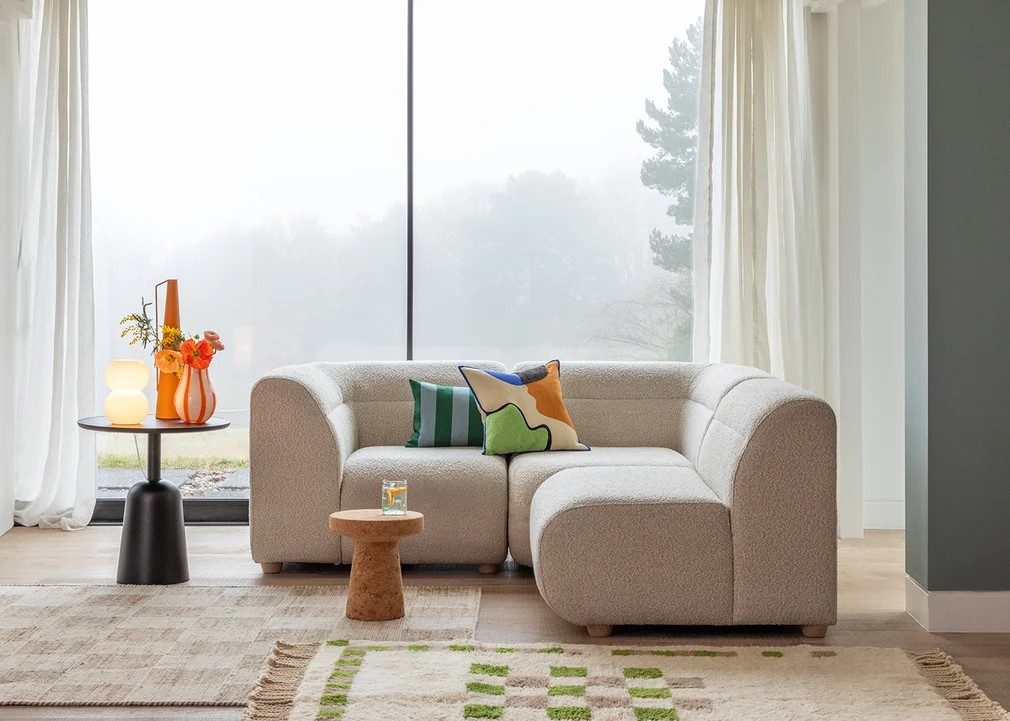
Comfort can evolve with small supporting choices. A cushion can change the effective depth of a lounge chair, a rug can soften the relationship between a hard floor and metal furniture and a lamp can make a reading position more useful. Those additions should solve a need rather than disguise a fundamentally unsuitable purchase. If a chair requires several cushions before it feels comfortable, the proportions may simply be wrong for the user. The same principle applies to tables and storage. Good design should make ordinary actions straightforward. When opening a drawer, reaching a surface or sitting for an hour feels natural, the visual appeal gains credibility because the object is performing as well as it looks.
A final review should consider whether the piece still makes sense when the room is less perfectly arranged. Everyday objects, open doors and people moving through the space change how furniture is experienced. Designs that remain comfortable and visually coherent under normal conditions tend to justify their place more convincingly than pieces that only work when the room is styled for a photograph.