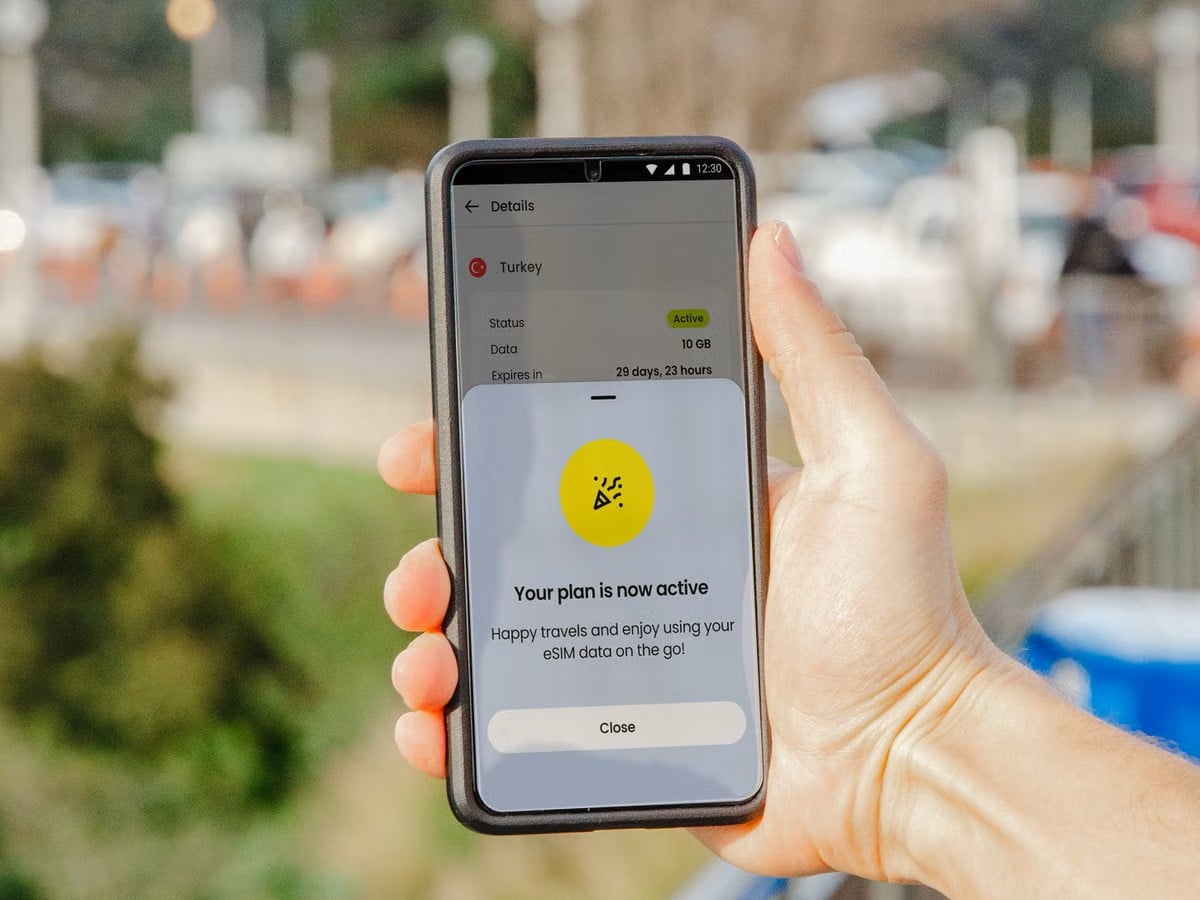
Mobile services are easiest to compare when the decision begins with real usage rather than advertised allowances. Some people rely heavily on Wi-Fi and use little mobile data, while others stream, navigate and work from a phone throughout the day. giffgaff offers SIM options and phones in a model that places a strong emphasis on flexibility. That can be useful, but choice only helps when the household understands what it actually needs. Looking at several recent months of data, call and roaming use gives a clearer starting point than choosing the largest allowance simply because it appears safer.
Begin with real monthly usage
Usage patterns should be considered alongside location and routine. A commuter may need dependable data along a rail route, while someone working from home may care more about coverage near the house and occasional travel. giffgaff provides plan options that can suit different levels of commitment, but the most economical choice is not always the smallest one. A user who regularly buys additional data may be better served by a higher allowance from the beginning. Conversely, paying for capacity that remains untouched month after month creates little practical benefit. The plan should fit ordinary behaviour with a modest buffer for busier periods.
Separate the phone decision from the plan
The handset should be evaluated separately from the network plan. Buying a new phone, choosing a refurbished device and keeping an existing handset each create different costs. giffgaff sells both mobile service and phones, which makes it especially important to distinguish those two decisions. A buyer should consider expected ownership length, battery condition, storage needs, camera priorities and software support rather than focusing only on the monthly payment. Spreading the cost can make a premium device look inexpensive from month to month, but the total price over the full term remains the more useful comparison.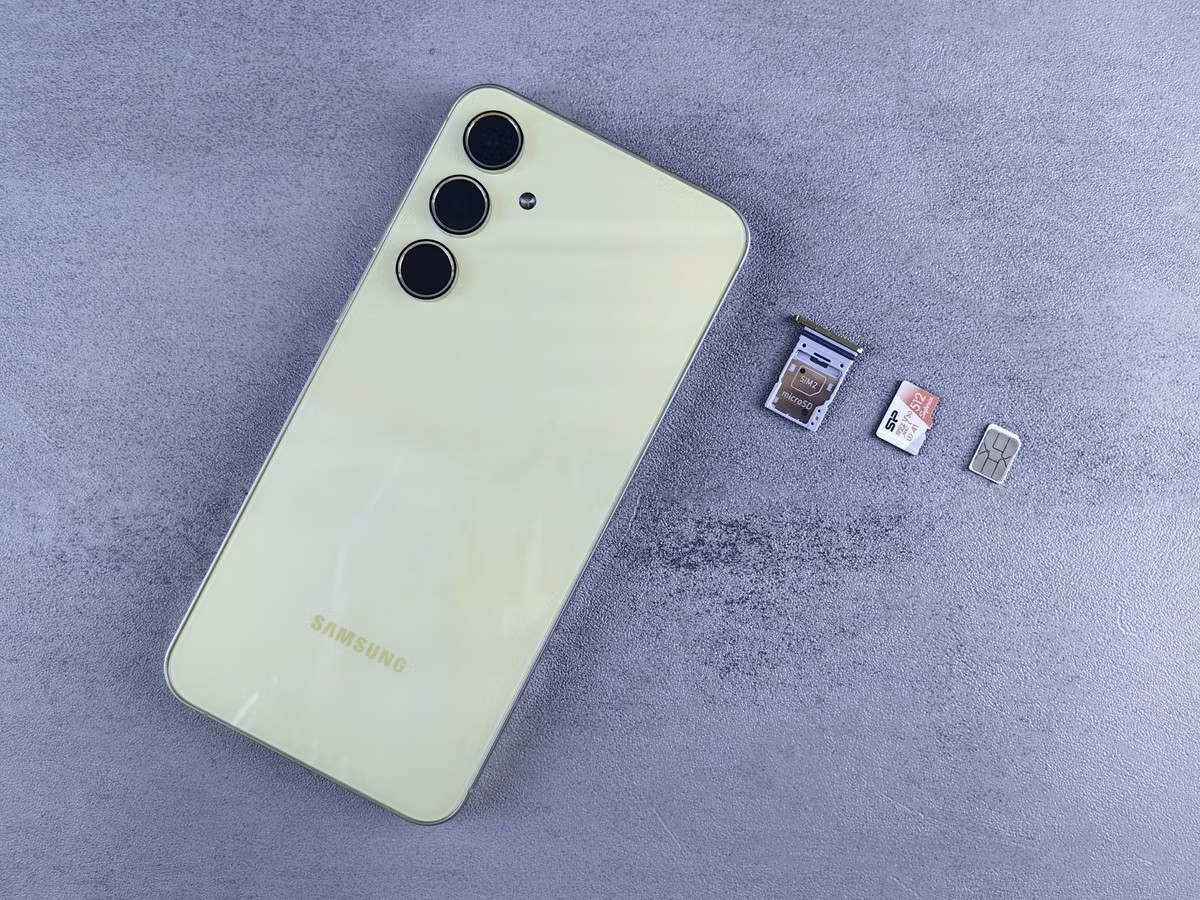
Check coverage where it actually matters
Coverage deserves a practical check before any plan becomes routine. Coverage maps are helpful, but buildings and local terrain can affect real-world reception. A careful user can review
– signal quality at home, work and other places where calls or data are used frequently
– whether indoor reception is adequate in rooms where the phone is most often used
– how much mobile data is consumed when Wi-Fi is unavailable during travel
– whether roaming terms fit the destinations that matter to the user
giffgaff can then be assessed against the locations and habits that genuinely shape daily use rather than against national coverage claims alone.
Keep flexibility useful rather than distracting
Flexibility should reduce friction rather than create a reason to keep switching plans. Once a setup consistently covers normal usage at a sensible cost, frequent changes may deliver little value. Periodic reviews are more practical, especially after a change in work pattern, travel frequency or handset. giffgaff gives customers room to adjust, which can be useful when circumstances change. A good mobile setup is therefore not necessarily the plan with the most data or the newest phone. It is the combination that provides reliable service, manageable cost and enough freedom to adapt without forcing the user to think about the account every week.
Data use is worth reviewing by activity rather than by total alone. Navigation, music streaming, video calls and hotspot use can consume very different amounts depending on frequency and quality settings. Background photo backups can also create unexpected mobile consumption when Wi-Fi is unreliable. Understanding those patterns helps a user decide whether the answer is a larger allowance or simply better device settings. The same review can identify months distorted by travel or temporary work arrangements. A plan should usually be sized around normal behaviour with enough headroom for predictable variation, not around the single highest month ever recorded. That approach keeps cost and convenience in balance without requiring constant monitoring.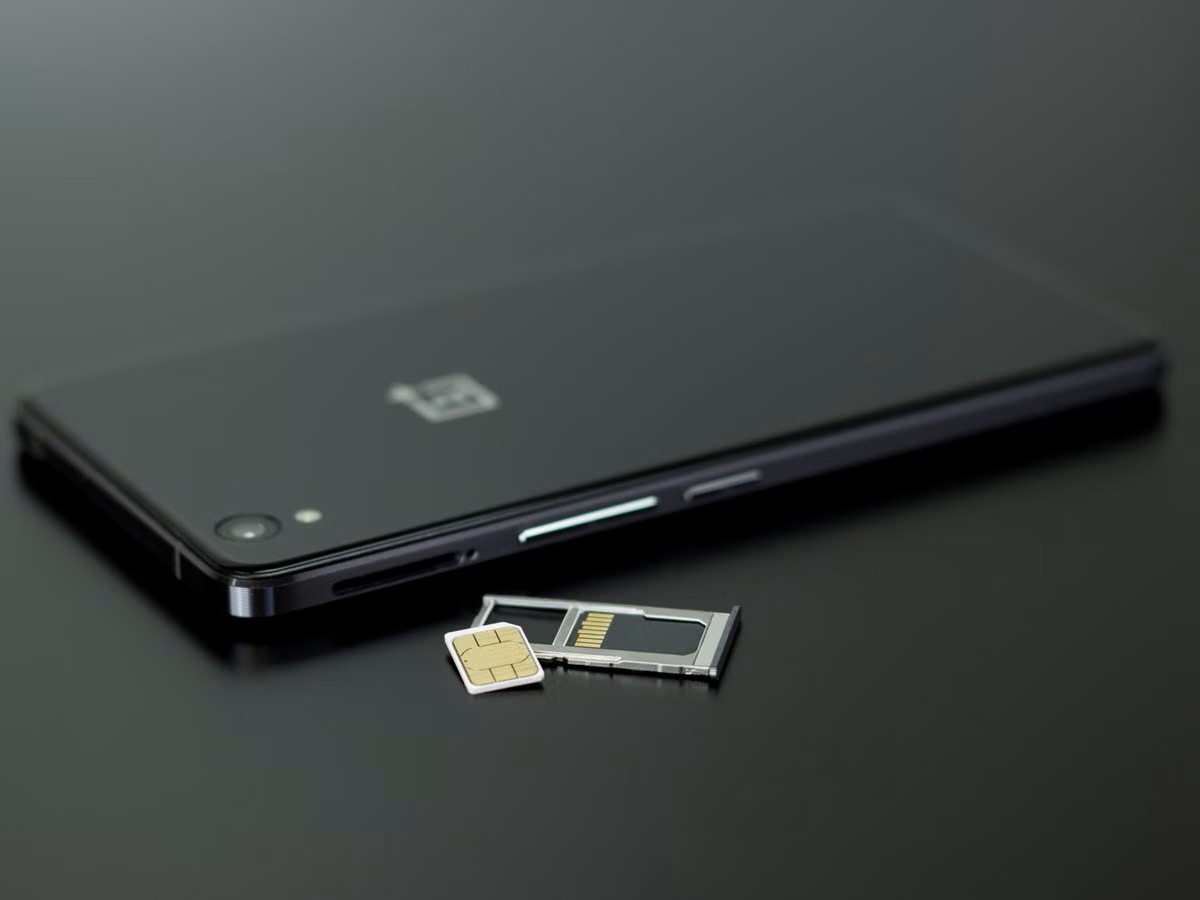
Handset longevity deserves equal attention. A cheaper device replaced frequently can cost more over time than a well-supported phone kept for several years, while a premium model only provides value if its features are actually used. Battery health, repair options, storage capacity and software updates influence that lifespan. A protective case and sensible charging habits may therefore be part of the financial decision, not just accessories. When the phone and service are considered separately, changes become easier. A customer can keep a reliable handset while adjusting the plan or replace the device without automatically changing network arrangements. That separation preserves flexibility and makes it easier to understand what each part of the mobile setup really costs.
Account management deserves a simple routine as well. Payment details, spending controls and security settings can be reviewed periodically rather than only when a problem occurs. A user changing phones should also confirm that important accounts, authentication apps and backups have moved successfully before the old device is erased. These small steps make flexibility safer and reduce the chance that a convenient service change creates avoidable disruption. A short usage review after any major routine change can confirm that the arrangement still makes sense rather than relying on assumptions formed months earlier.