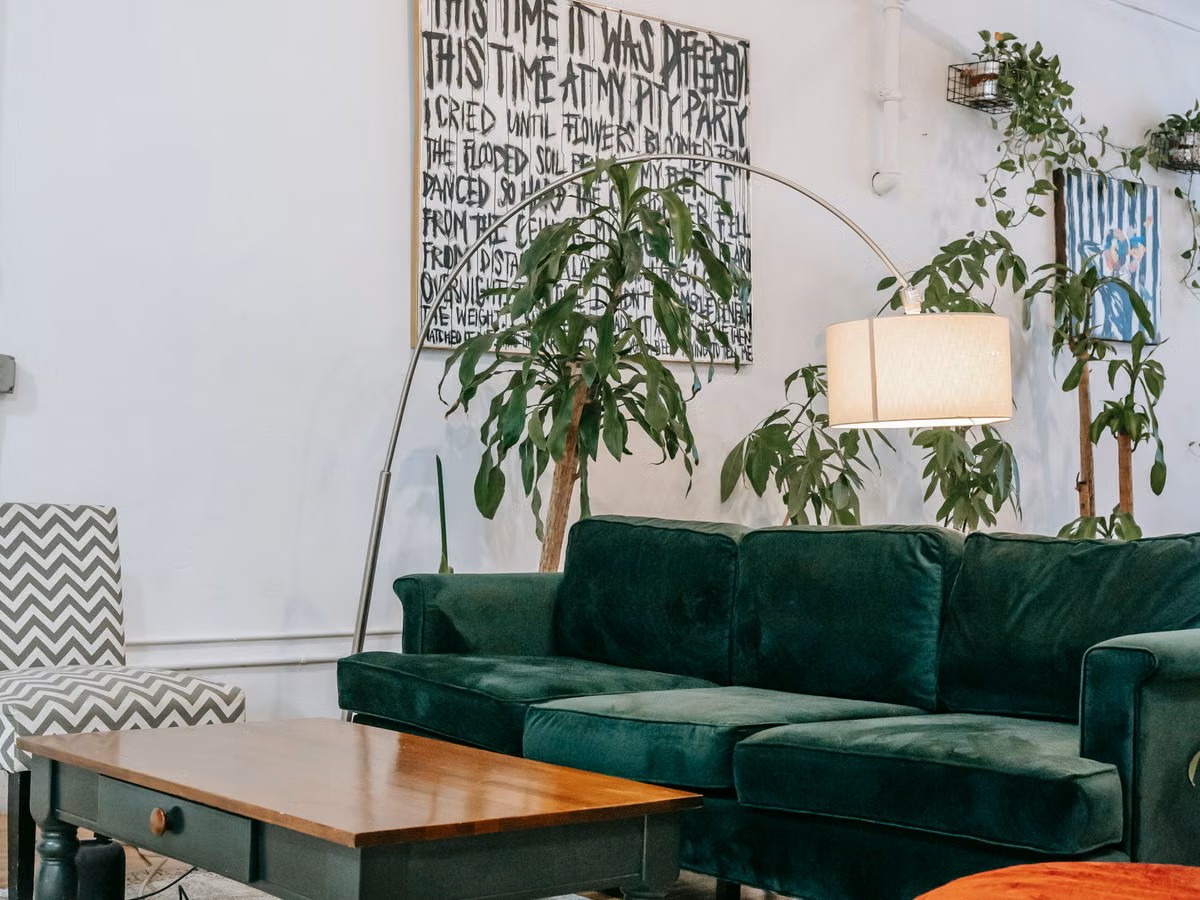
Statement furniture can add personality to a room, but distinctive design works best when it still supports everyday habits. A sculptural sideboard that blocks circulation or a dramatic chair that nobody wants to sit in quickly becomes more decorative than useful. Swoon focuses on design-led furniture and accessories, so its pieces can be considered through both lenses. The practical aim is to let one or two expressive items create interest while quieter furniture handles the background work. That balance prevents a room from feeling crowded and gives the strongest design enough space to be noticed.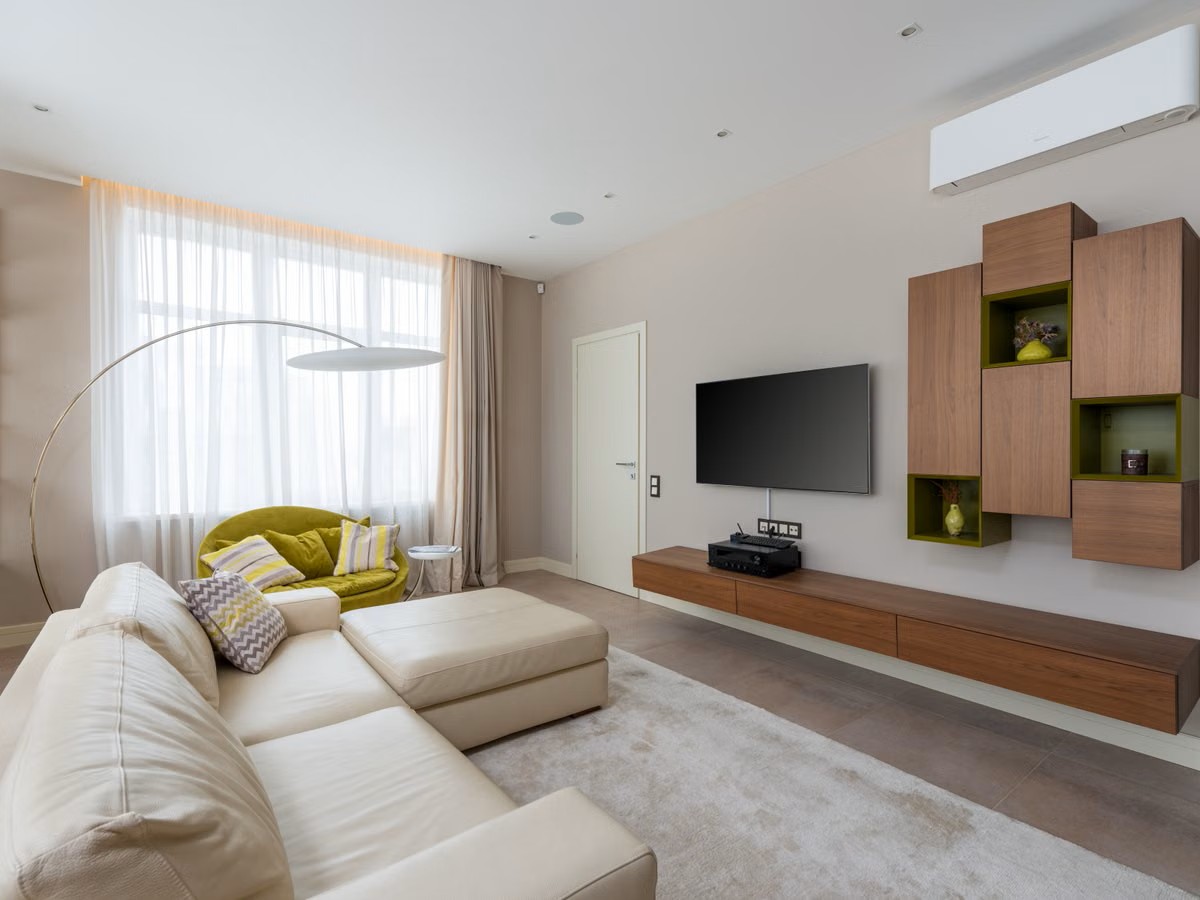
Give one strong piece enough visual space
Scale is the first control. A bold cabinet, sofa or dining table needs breathing room around its outline, particularly when the shape includes curves, wide arms or prominent legs. Swoon offers furniture intended to be visually distinctive, but even an attractive piece can feel oversized if it competes with too many other objects. Measuring the full footprint and marking it on the floor helps reveal how the piece affects movement. The same exercise should include open doors, drawers and dining chairs pulled back from a table because furniture occupies more space in use than it does when everything is closed and neatly arranged.
Balance shape with everyday function
Function should then narrow the shortlist. A sideboard may need to store tableware, cables or paperwork. An occasional chair may be used daily rather than occasionally. A coffee table may need enough clearance to move around easily. Swoon can provide the visual character, while the household still needs to assess storage capacity, surface durability and comfort. A design that suits the room’s routine will usually age better than one selected only for a dramatic first impression. Practical details such as door swing, shelf height and cleaning requirements can determine how satisfying the piece remains after the novelty has faded.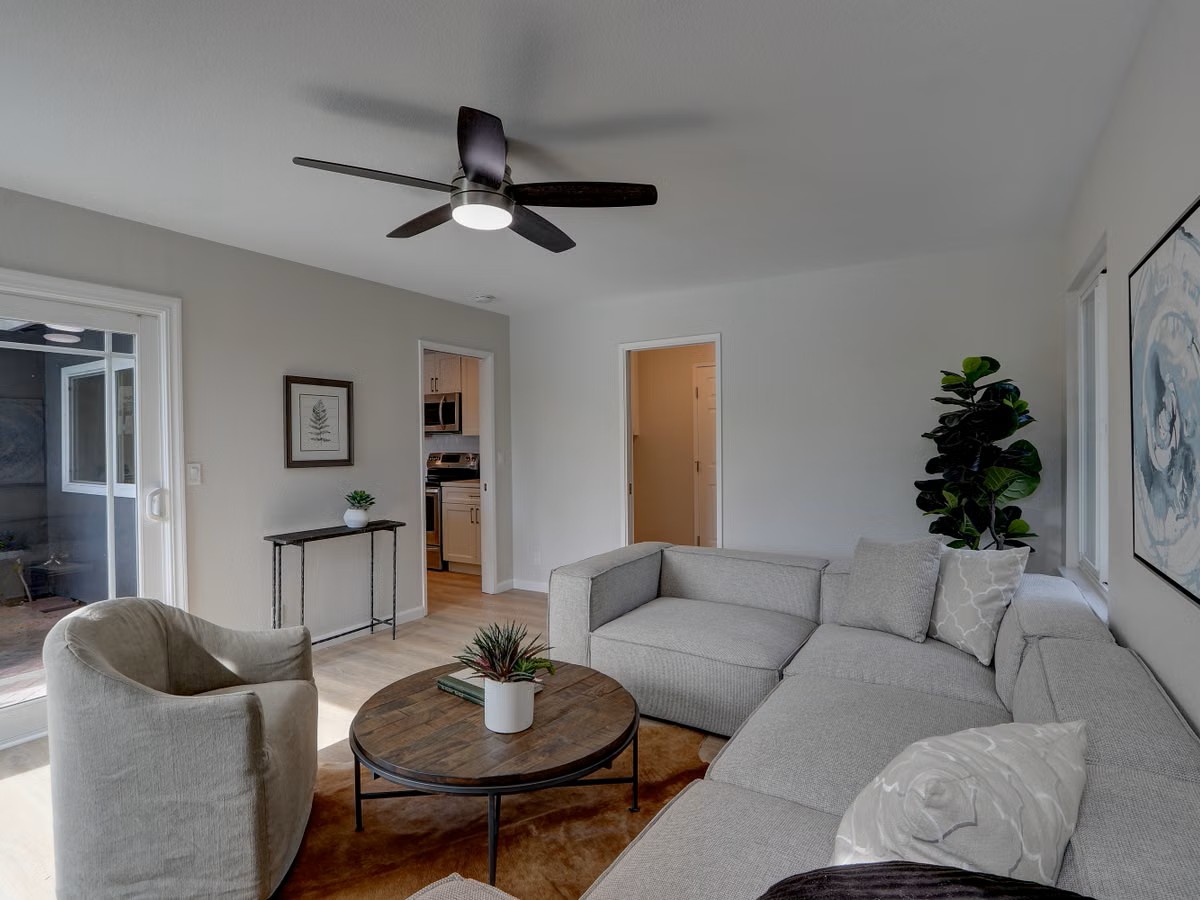
Use materials to connect old and new
Materials help statement pieces feel connected to the rest of the interior. Instead of matching everything exactly, the room can repeat small cues. A simple plan might include
– echoing a warm wood tone in a frame, tray or smaller table elsewhere in the room
– repeating a metal finish in lighting or cabinet hardware without using it on every object
– balancing a textured fabric with smoother surrounding surfaces so the contrast remains clear
– carrying one accent colour into cushions, artwork or ceramics in restrained amounts
Swoon often combines noticeable forms with rich finishes, so repetition at a smaller scale can make a distinctive item feel intentional rather than isolated.
Repeat details without making the room feel themed
A room does not need multiple statement pieces competing for attention. One strong silhouette can anchor the space while simpler objects provide visual rest. Negative space is useful because it allows shape, texture and craftsmanship to read clearly. Swoon can work especially well in this approach when a chosen piece is treated as the starting point rather than one addition among many unrelated purchases. The result can still feel personal without becoming themed. Practical planning remains the foundation, and decorative choices are layered on top. When scale, storage and circulation work properly, expressive furniture becomes easier to live with and more convincing as part of the home.
Storage furniture benefits from the same balance between appearance and capacity. A visually light cabinet with raised legs can keep a room feeling open, but the interior still needs to hold the objects assigned to it. Shelves should be checked against the height of books, glassware or media equipment rather than judged only by total dimensions. Cable openings, ventilation and door clearance can matter when electronics are stored inside. Drawers should open without striking nearby furniture. These details are not glamorous, but they decide whether a statement piece reduces clutter or simply moves the clutter somewhere less convenient. A well-chosen item earns its visual prominence by solving a practical problem at the same time.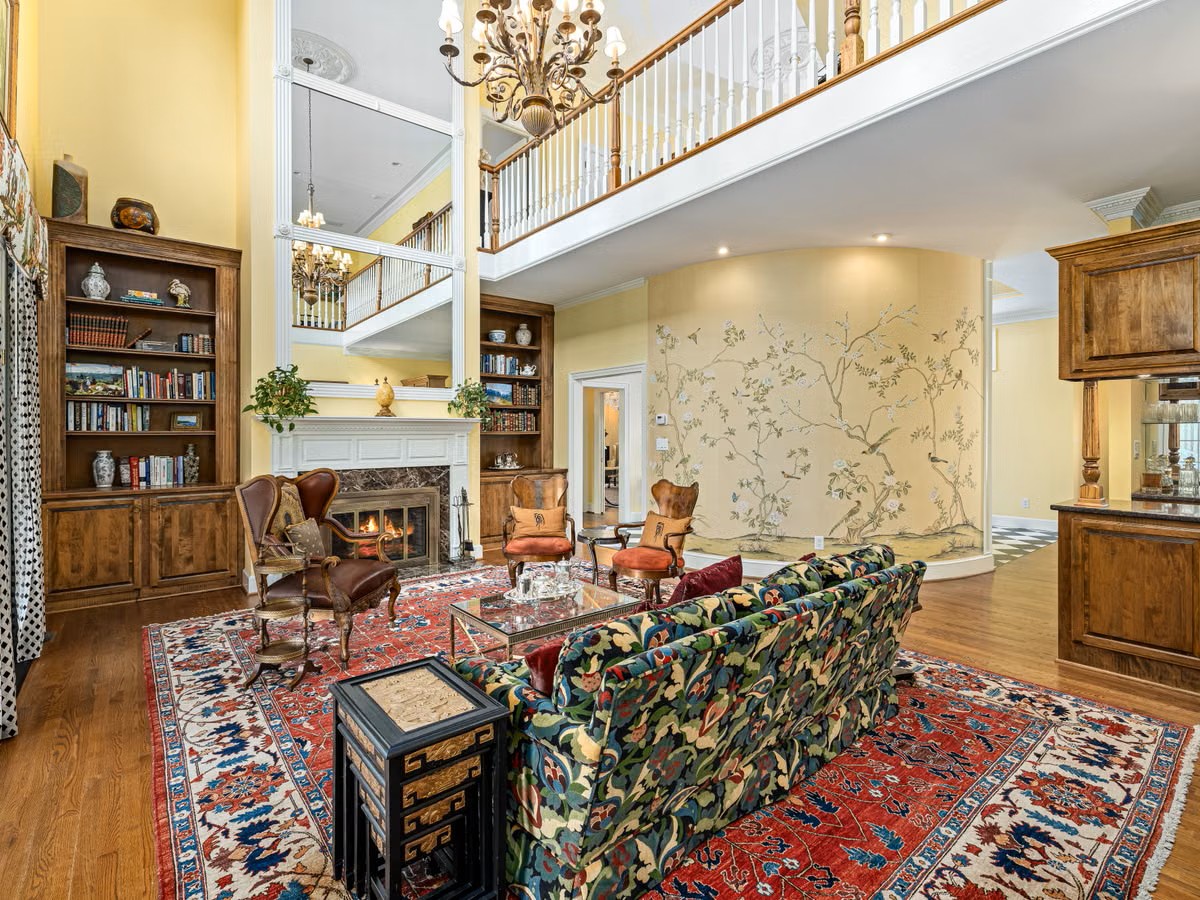
Lighting can help strong furniture sit comfortably in the room. Directional light can emphasise texture, timber grain or a sculptural edge, while a soft ambient source reduces harsh contrast around darker finishes. The piece does not need its own spotlight, but it should not disappear into a poorly lit corner either. Artwork can be used carefully for balance. A busy wall directly above expressive furniture may create competition, whereas a simple composition can reinforce scale and colour. The final test is whether the room still feels calm from its main entrance. If the eye has several obvious places to rest and the strongest piece is easy to identify, the design is likely to feel intentional rather than crowded.
Before ordering, the household can also identify which existing object will leave the room. Statement furniture works best when it replaces a function or fills a genuine gap rather than simply adding more visual mass. Removing an unnecessary table, cabinet or chair can create the breathing space a distinctive new piece needs. That editing step often improves the room as much as the purchase itself and keeps the overall scheme practical.