
A digital nomad travel blog documents more than scenic destinations; it tracks the practical reality of earning, living, and settling into new countries for months at a time. Some blogs focus on photography and itineraries, while others, like Just One Way Ticket, lean into the logistics of building an actual life abroad. Understanding what separates this niche from standard travel writing helps explain why certain blogs attract long-term readers rather than one-time visitors.
Defining the Niche Behind Long-Term Travel Content
A blog sits at the intersection of remote work, long-term travel, and lifestyle documentation, and it grew alongside remote work itself as more people realized a laptop and a stable connection could replace a fixed office. Instead of weekend getaways or holiday recaps, this format follows people who live and work from multiple countries over months or years. A typical digital nomad travel blog mixes destination guides with practical resources such as visa information, coworking recommendations, and income strategies, folding in logistics that matter only to someone staying for months rather than days. That combination of inspiration and operational detail is what separates the format from a standard vacation journal.
Just One Way Ticket’s Approach to Long-Term Travel Documentation

Just One Way Ticket has been publishing travel and lifestyle content since 2008, with its founder Sab framing the site not as a simple travel diary but as a resource for people asking whether long-term life abroad is realistic. Posts range from city-specific guides, such as a roundup of free 24-7 coworking spaces in Bangkok, to broader logistical topics like setting up a US LLC as a non-resident. That range reflects what many readers of a blog actually search for, namely a mix of inspiration and usable, specific information.
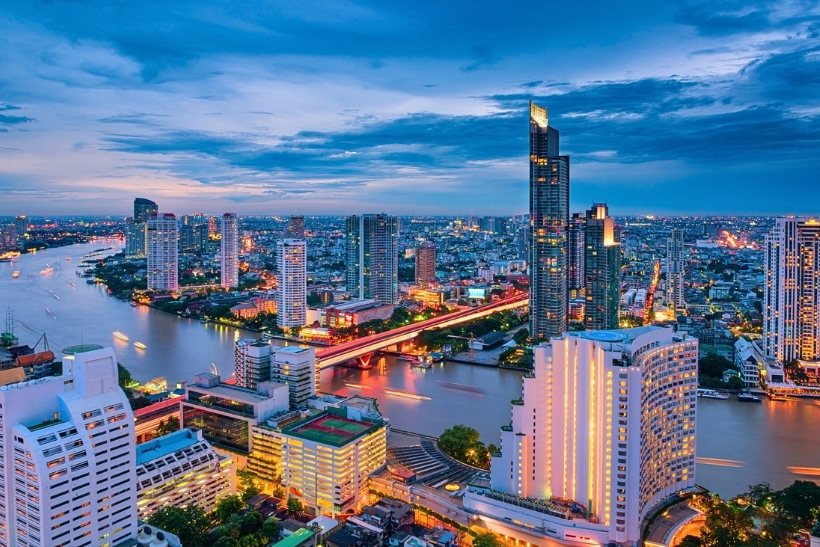
The site also covers seasonal travel guides, like its coverage of first-time visitor itineraries for Bangkok, stretching from single-day trips to week-long stays. This pairing of practical and aspirational content is part of what keeps the blog relevant to readers planning extended stays abroad.
The House-Sitting Model: A Central Strategy in the Digital Nomad Niche

House-sitting appears repeatedly across the digital nomad travel blog space as a way to access accommodation without the cost of long-term rent. Just One Way Ticket has published guidance on how to become a house sitter, framing it as a path to staying in notable locations while caring for a home or pets in exchange. This approach appeals to travelers trying to stretch time abroad without the overhead of hotel stays or fixed leases. It also ties into the broader theme of flexibility that defines nomadic living, since house-sitting assignments can shift someone from one country to another within the same trip.
Building Remote Income While Traveling: The Foundation of Sustainable Nomad Blogging

Income is the practical backbone of any digital nomad travel blog, and the site addresses it directly through multiple posts. One guide walks through forming a US LLC as a non-resident, aimed at digital nomads looking for a formal business structure while living outside the United States. Another post lists ten remote job websites, including FlexJobs, described as a comprehensive and manually screened platform for remote and flexible positions. A separate article covers Nas.com, a platform described as letting creators package expertise into memberships, challenges, courses, or digital downloads.
These posts reflect a shift the site itself acknowledges, noting that blogging income alone became unreliable after the travel industry slowed sharply during the pandemic. That experience pushed coverage toward multiple income paths rather than a single model. For readers of a blog, that mix of remote job boards, business setup guidance, and creator platforms offers a fuller picture of how location-independent income can work.
Community and Connection Over Tourism: The Philosophy Behind Just One Way Ticket
The site’s own description frames itself as a blueprint for freedom rather than a conventional travel guide, built around the idea of actually living abroad instead of just visiting. Much of its content treats travel as an ongoing lifestyle rather than a series of disconnected trips. This shows up in practical posts too, such as the coworking space guide, which doubles as a way for remote workers in Bangkok to find consistent places to work and, by extension, overlap with other digital nomads. The emphasis sits less on checklist sightseeing and more on sustaining a working life in a new place.
Travel insurance coverage follows the same logic. Just One Way Ticket compares several policies aimed specifically at digital nomads and long-term travelers, drawing on personal incidents like an emergency rabies treatment in Bali and a root canal in Bangkok. That kind of detail signals a readership that needs ongoing, practical protection rather than a single-trip policy.
How Digital Nomad Blogs Differ From Traditional Travel Content
Traditional travel content tends to center on itineraries, hotel reviews, and short visits built around holidays or long weekends. A digital nomad travel blog, however, treats visa rules, coworking access, and remote income as core subject matter rather than side notes, with ongoing coverage replacing the one-off trip report. Just One Way Ticket‘s catalog, covering everything from AI video tools for content creators to destination guides balancing work and wellness, illustrates that broader scope. The content treats travel as infrastructure for living, not just a temporary escape from routine.
- House-sitting arrangements offer a way to stay in a location without paying for standard accommodation.
- A reliable remote work setup, including coworking spaces and strong internet access, supports day-to-day income while traveling.
- Long-term visas and residence options allow extended stays beyond typical tourist entry limits.
- Community-building with other nomads often happens organically through shared coworking spaces and recurring destinations.
- Authentic cultural immersion comes from staying in one place long enough to move past a purely tourist routine.
- Budget travel hacks, such as free coworking spaces or house-sitting exchanges, help reduce the ongoing cost of life abroad.
The format endures because it treats travel as a practical, ongoing project rather than a brief departure from everyday life.