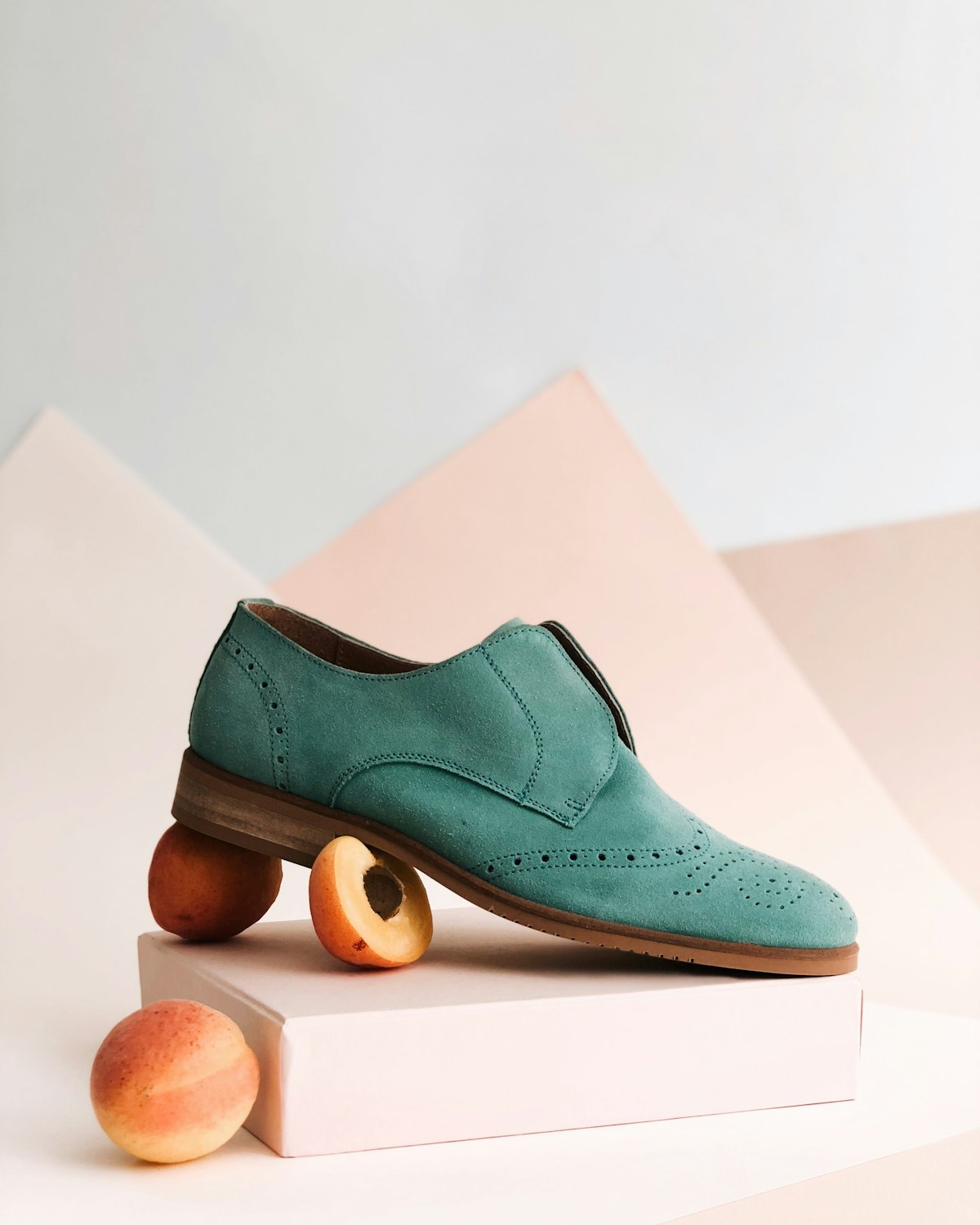
Walking is the primary way we engage with the physical world, making footwear the most functional element of our wardrobe. Fast fashion has normalized synthetic shoes glued together with petroleum adhesives that wear out in a single season. Shifting toward traditional leather craft represents an embrace of durability, comfort, and ecological mindfulness.
Vegetable-tanned leather is tanned using organic tree barks and plant extracts rather than toxic chromium salts. This ancient tanning method allows the hide to retain its natural breathability and unique grain patterns. Over months and years of use, vegetable-tanned shoes mold to the exact contours of your foot, providing custom orthopedic support that synthetic shoes can never duplicate.
Look for footwear made with Goodyear welt or Blake stitch construction. In these shoes, the upper leather is sewn directly to a welt or leather midsole, making the sole completely replaceable when it eventually wears down. Instead of discarding worn shoes into landfills, you can take them to a cobbler every five years for a fresh rubber or leather outsole, keeping the broken-in upper for a lifetime of comfortable walking.
Caring for fine leather shoes is a meditative and rewarding practice. Regularly brushing away surface dust with a horsehair brush, conditioning the leather with beeswax balms, and inserting cedar shoe trees preserves the leather's moisture balance. Taking pride in maintaining what you already own is the truest expression of sustainable style.