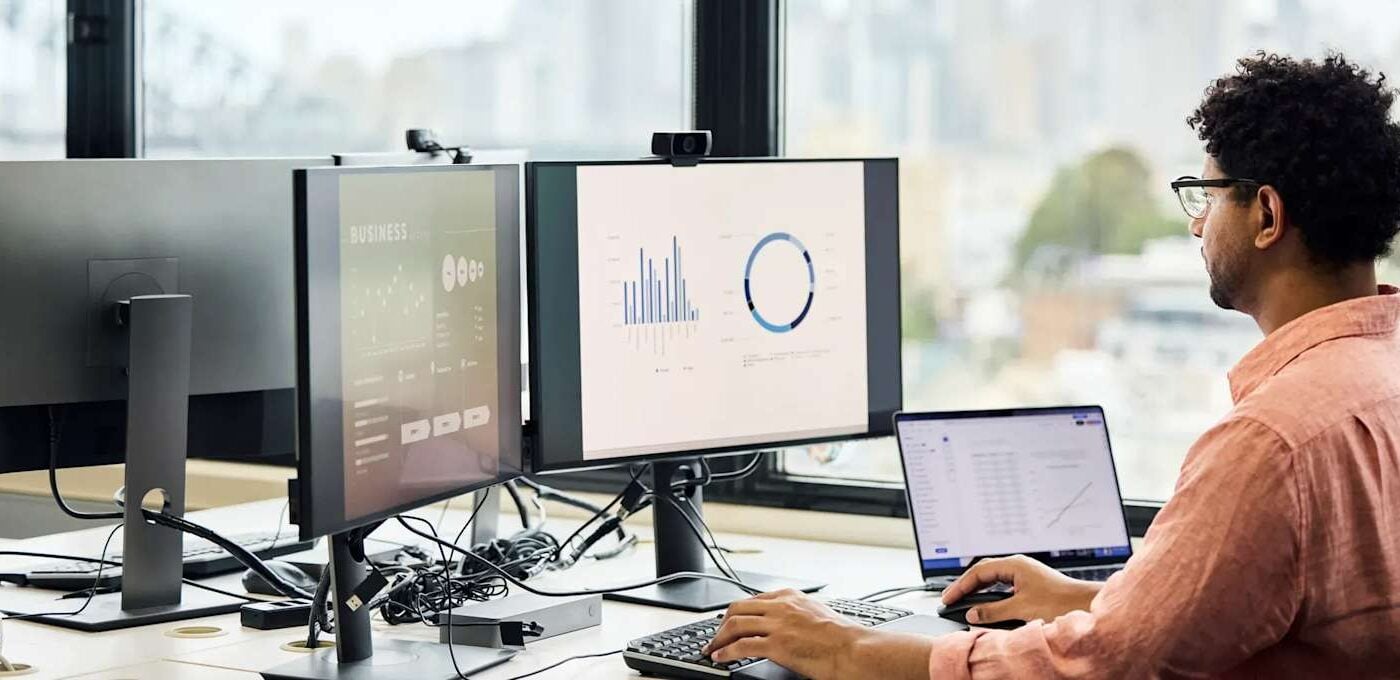
Enterprise IT coverage spans a wide set of technologies, and keeping track of all of them is a real challenge for IT decision-makers. Computerworld organizes its reporting around six core domains that matter most to IT professionals managing workplace technology. From generative AI rollouts to hybrid meeting rooms, this structure helps readers find analysis relevant to the specific problems they are trying to solve.
Generative AI and Enterprise AI Implementation
Generative AI has become one of the most closely watched areas of enterprise IT coverage, and Computerworld tracks it across hiring trends, governance, and vendor behavior. Recent reporting has examined how specialized AI skills translate into higher pay for IT staff in a cautious job market. Other coverage has looked at shadow AI, the unsanctioned use of AI tools inside organizations, and the practical steps needed to manage it. Commercial terms are part of the picture too, including how vendors like Meta are shifting legal responsibility for AI errors onto customers.
Beyond workforce and governance angles, Computerworld also covers the infrastructure side of AI adoption. That includes Apple’s approach to using idle Mac hardware as a distributed AI resource. This mix of labor, legal, and infrastructure reporting reflects how broad the generative AI beat has become inside enterprise technology journalism.
Windows Operating Systems and Security Updates

Windows remains a foundational pillar of Computerworld‘s coverage, particularly around operating system updates and security patching. Patch Tuesday coverage keeps IT administrators informed about the latest fixes affecting Windows 10 and related Microsoft products. Memory optimization is another area of focus, as seen in reporting that Windows 11 has been tuned to run on systems with 8 gigabytes of memory. These stories matter to IT teams managing large device fleets where compatibility and security timing carry real operational weight.
Hardware reviews also intersect with this coverage area, such as analysis of the Microsoft Surface Laptop Ultra and its NVIDIA RTX Spark capabilities aimed at business users. Taken together, this reporting helps IT buyers evaluate both the software and hardware sides of the Windows ecosystem.
Apple in the Enterprise Environment
Apple’s expanding role in business settings is another core thread running through It’s reporting. Coverage has tracked Apple’s position as the broader device industry contracts, along with regulatory pressure such as the UK’s scrutiny of Apple Pay practices. On the technical side, reporting has detailed Apple’s Mac and Muse AI supercomputer announcements, positioning Apple hardware as part of enterprise AI infrastructure conversations.
This attention to Apple extends beyond consumer products into how IT departments evaluate Mac deployment alongside Windows environments. For organizations weighing platform choices, this kind of enterprise IT coverage provides context that pure consumer tech coverage typically skips.
Mobile Technology and Android for Business
Mobile technology coverage centers heavily on Android, with a dedicated section examining devices, software, and productivity tools. JR Raphael’s reporting has tested whether Android laptops, described as Googlebooks, can handle real workplace tasks. Other pieces have explored advanced Android messaging features, efficient texting tricks, and hidden gestures within Google Messages. Widget functionality and Chrome browser extensions for Android round out this practical, how-to focused coverage.
On the chip and infrastructure side, Computerworld has also reported on Qualcomm’s next Snapdragon mobile processor and its on-device AI capabilities. This combination of hands-on tips and industry-level chip reporting gives IT readers a fuller picture of where Android fits into business mobile strategy.
Microsoft 365, Office Suites, and Productivity Software
Office suites and productivity software form another major coverage pillar, with Microsoft 365 receiving particular attention. Reporting has examined how Copilot pricing has grown more complicated for organizations trying to budget for AI-enhanced productivity tools. Patch Tuesday updates also touch this category, since Microsoft Office security fixes often roll out alongside Windows patches. These stories are aimed squarely at IT leaders responsible for licensing decisions and software rollout planning.
Sovereign cloud developments add another layer to this coverage, as Microsoft expands offerings that give customers more control over encryption keys and cloud operations. For regulated industries, this kind of detail directly affects how office and productivity tools get deployed.

Collaboration Software and Hybrid Work Solutions
Collaboration software and hybrid work tools round out the six core areas, reflecting how meeting rooms and remote work setups have become central to IT planning. Sponsored content from Barco has examined how hybrid collaboration now requires balancing security, usability, manageability, and sustainability simultaneously. Lucid Software’s visual collaboration tools have also received dedicated coverage as part of this category. These topics sit alongside broader hybrid and remote work reporting that spans scheduling, equipment, and workplace policy.
Computerworld‘s attention to this space shows how collaboration technology has moved from a secondary concern to a core operational requirement. IT teams now treat meeting room technology and remote access tools as seriously as they treat core infrastructure decisions.
- Identifying which AI tools employees are already using without formal approval, often called shadow AI.
- Tracking security patch schedules across Windows and Microsoft Office to avoid exposure gaps.
- Evaluating Apple hardware and software for deployment alongside existing Windows-based IT environments.
- Comparing Android devices and chipsets for suitability in business mobile fleets.
- Managing licensing complexity as Microsoft 365 and Copilot pricing structures grow more layered.
- Balancing security, usability, and sustainability requirements in hybrid meeting room technology.
Across all six areas, Computerworld‘s enterprise IT coverage draws on named reporters and ongoing beats rather than one-off commentary. That structure lets readers track a given issue, such as Copilot pricing or Android laptop viability, over an extended reporting arc. Anyone evaluating enterprise IT coverage as a resource can find the full range of this reporting at https://computerworld.com.
IT decision-makers rarely face just one of these six challenges in isolation. Generative AI governance questions bump into Windows patching schedules, which bump into collaboration tool budgets. Coverage that spans all six areas reflects how interconnected those decisions have become in practice.