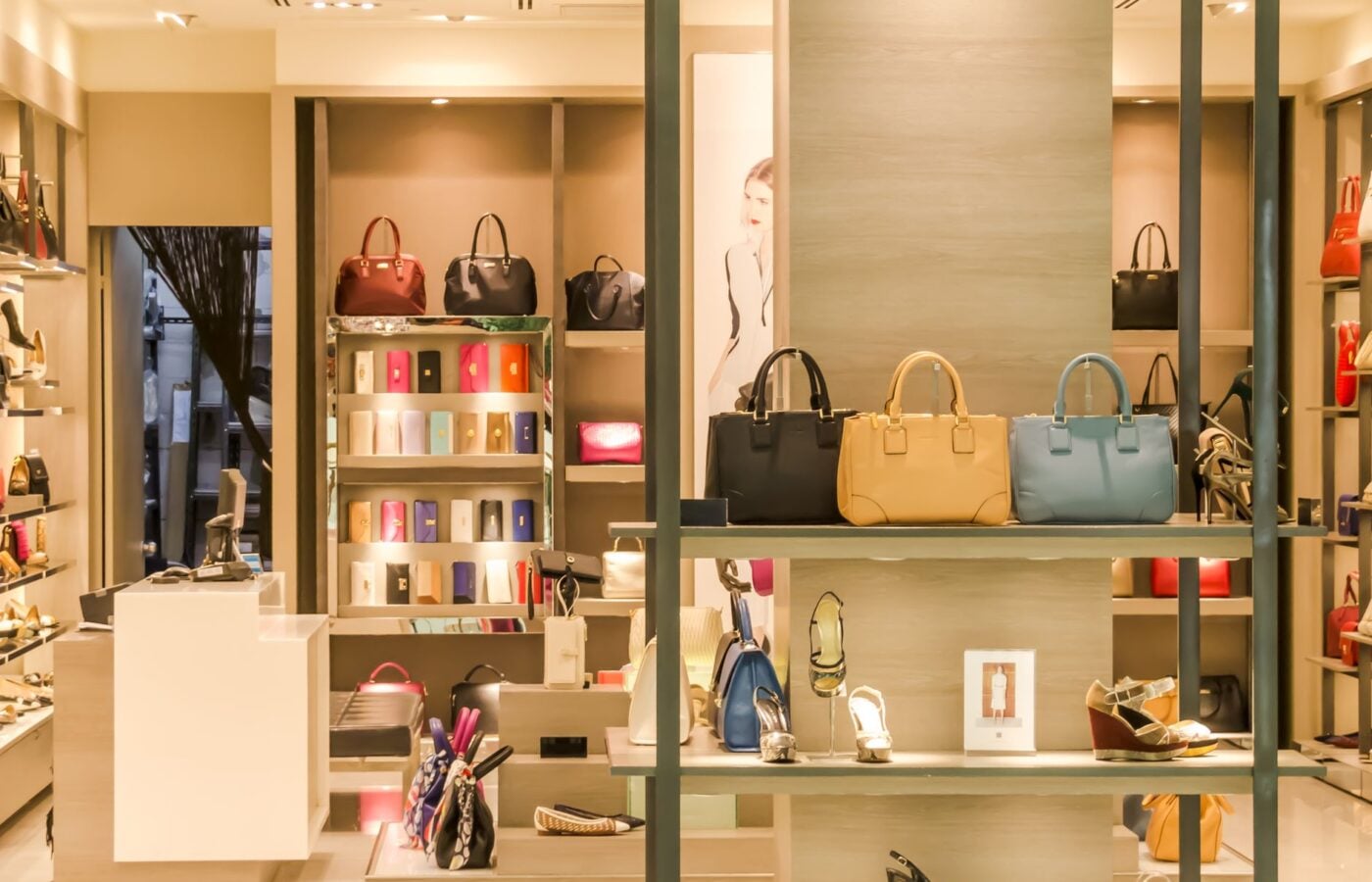
Luxury fashion shoppers often look for a platform organized clearly by audience, and FARFETCH structures its catalogue around three core departments. Womenswear, menswear, and kidswear each sit at the top of the site’s navigation, giving shoppers a direct path into the relevant wardrobe. Understanding how womenswear menswear kidswear sections differ helps explain how FARFETCH organizes more than 100,000 styles from established and emerging designers.
Understanding FARFETCH’s Womenswear Department
The womenswear section on FARFETCH opens with a New In area, so shoppers can see the most recent arrivals from designer labels without digging through older stock. Beyond that landing point, the department splits into Clothing, Bags, and Shoes categories. This structure keeps apparel, accessories, and footwear separated, which makes it easier to browse one category at a time rather than scrolling through a mixed catalogue.
The brand frames this department as part of its broader identity as a global destination for modern luxury. Within Clothing, Bags, and Shoes, shoppers encounter pieces from both long-standing design houses and newer names, reflecting the platform’s stated mix of established and emerging brands.
The Menswear Collection and Its Design Focus
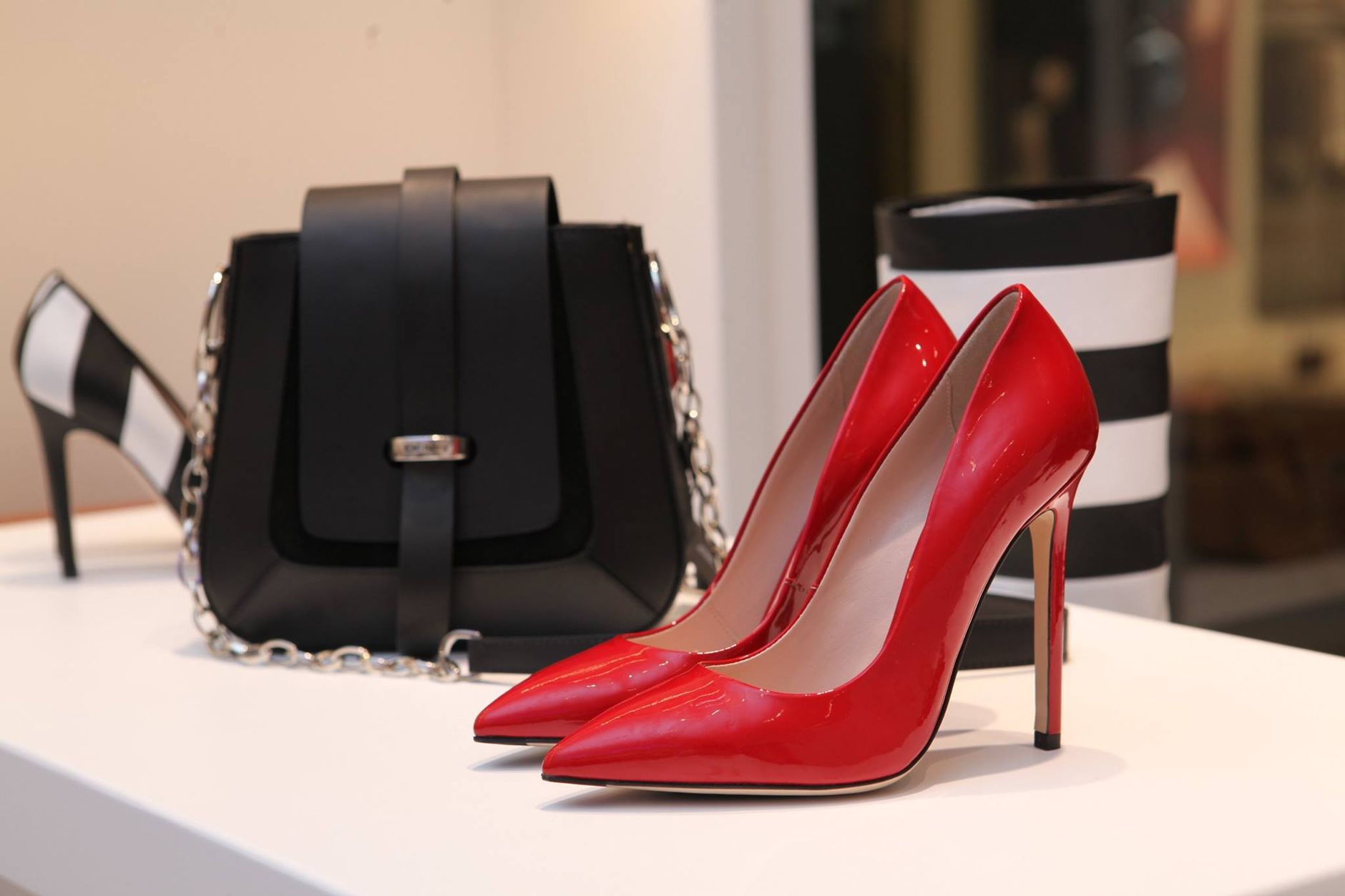
Menswear on FARFETCH follows a similar logical layout, though its three main sections are labelled slightly differently. New In sits at the top again, followed by Clothing, Accessories, and Shoes. The use of “Accessories” rather than “Bags” as the second category is one of the clearer structural differences between the womenswear and menswear sections.
This arrangement means menswear shoppers move from garments into a broader accessories grouping before reaching footwear. Because the three departments share the same New In concept, cross-browsing between menswear and womenswear still feels consistent, even though the subcategory names shift slightly to suit each audience.
Kidswear: Baby, Boys, and Girls Categories Explained
The kidswear department takes a different organizing approach, built around age and gender rather than product type. Its four listed categories are Boys, Girls, Baby Boys, and Baby Girls. A shopper looking for infant clothing or accessories starts by selecting an age-based group rather than a product category such as shoes or bags.
That structure sets kidswear apart from both womenswear and menswear, where the first choice is always a product type. Instead, kidswear shoppers select an age and gender grouping first, then narrow down further once inside that section. Comparing womenswear menswear kidswear side by side on FARFETCH shows how differently each department is organized from the outset.
New In Across All Departments
Despite the layout differences described above, New In is the one section womenswear and menswear both share. Each lists New In as the first category under its respective menu, signalling its priority in the navigation. This consistent placement suggests recent arrivals serve as a priority entry point for shoppers moving between womenswear, menswear, and kidswear.
Having New In repeated across two of the three departments also gives frequent shoppers a predictable habit. A shopper can head to New In first regardless of which of these departments is being browsed. This consistency is one of the simpler structural throughlines across an otherwise distinct set of category lists.
How Accessories and Shoes Vary by Department
Shoes appear as a standalone category in both womenswear and menswear, but the surrounding categories differ. Womenswear pairs Shoes with Bags as its non-clothing category, while menswear pairs Shoes with the broader Accessories label. That difference in naming reflects how each department groups adjacent product types rather than treating them identically.
Kidswear, by contrast, does not list Shoes or Accessories as a separate category at all. Its navigation stays centered on the four age and gender groups mentioned earlier. As a result, any shoe or accessory shopping for children happens inside those age-based sections rather than through a dedicated category.
- Womenswear on FARFETCH is organized into New In, Clothing, Bags, and Shoes.
- Menswear on FARFETCH is organized into New In, Clothing, Accessories, and Shoes.
- Kidswear on FARFETCH is organized into Boys, Girls, Baby Boys, and Baby Girls.
- Only womenswear and menswear list a dedicated New In category.
- Only womenswear and menswear separate Shoes as a standalone category alongside Bags or Accessories.
Express Delivery and Returns Across Womenswear, Menswear, and Kidswear
Express delivery and free returns apply across the platform rather than being limited to a single department. For a shopper assembling one order out of womenswear, menswear, and kidswear pieces, that shared policy removes any need to check separate terms for each category. Dedicated pages covering orders and delivery, payment and pricing, and returns and refunds sit alongside a general FAQs section for anyone with a specific question before checkout.
Where this matters most is in mixed-department orders, since kidswear and adult categories often get combined in a single cart around gifting or seasonal shopping. A shared returns and delivery approach means a shopper does not need to track which department governs which part of an order. Customer support, reachable through a global Customer Service team, covers questions on any of the three departments without a shopper needing to identify the correct desk first.
Department Structures at a Glance
Seen together, the three departments point to a catalogue built around how people actually shop rather than a single rigid template. A shopper after a specific product type gravitates toward womenswear or menswear’s category-first layout, while a shopper buying for a child starts from an age and gender group instead. That flexibility across womenswear menswear kidswear is likely to remain the organizing logic as new styles continue to enter the catalogue.