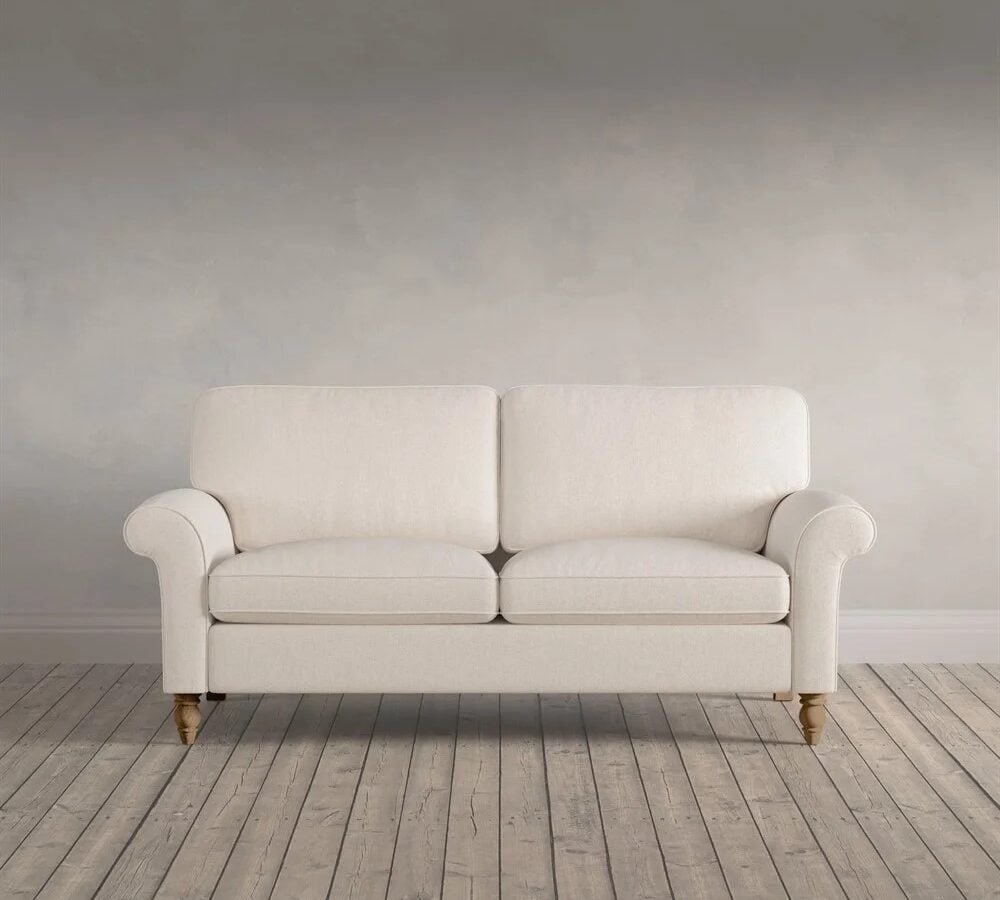
Furniture described as timeless usually succeeds because it works with the architecture and everyday routine of a home rather than following a short-lived decorative trend. Proportion, useful storage and materials that age well matter more than novelty. The Cotswold Company offers furniture across living, dining and bedroom spaces with a traditional influence, which makes the brand a useful example of how familiar forms can be adapted to modern homes. A sensible buying process still starts with practical questions. The household should identify what needs storing, where people move through the room and which surfaces receive the most wear.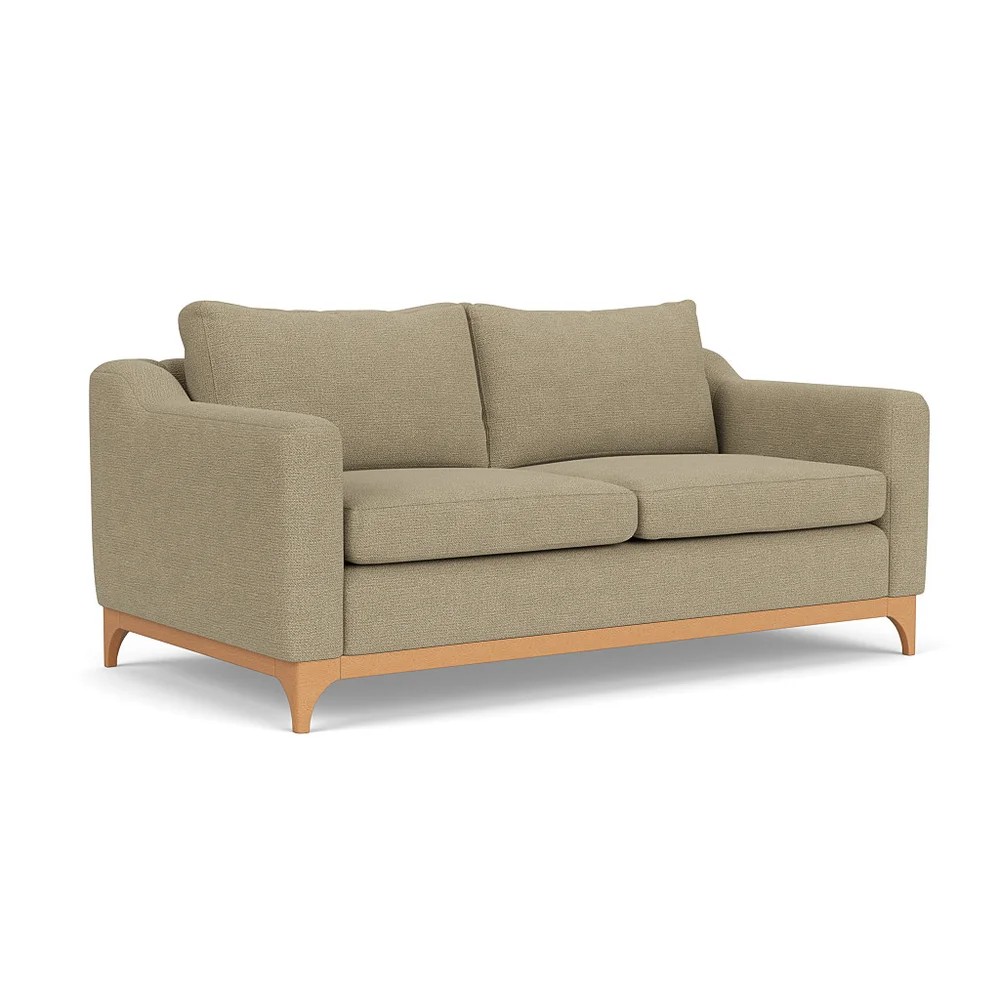
Let daily routines define the furniture brief
Daily routines reveal which features are worth paying for. A hallway console may need drawers for keys and post. A dining table may need to extend for occasional guests without taking over the room every day. A bedroom chest should provide usable drawer depth rather than simply filling an empty wall. The Cotswold Company supplies many categories where these functional details vary from model to model. The best choice is therefore not the piece with the most storage or largest dimensions. It is the one that solves the real problem while leaving enough space for doors, chairs and people to move comfortably.
Use proportion to keep rooms comfortable
Proportion becomes especially important in smaller homes. Tall furniture can use vertical space efficiently, but heavy shapes can make narrow rooms feel crowded. Low pieces can preserve sightlines while consuming more floor area. The Cotswold Company furniture often uses substantial materials and classic silhouettes, so measuring the full depth and height is important. Buyers can mark a footprint with tape and compare it with nearby windows, radiators and sockets. Delivery access should also be checked early. Staircases, corners and door widths can rule out a piece long before style becomes the deciding factor.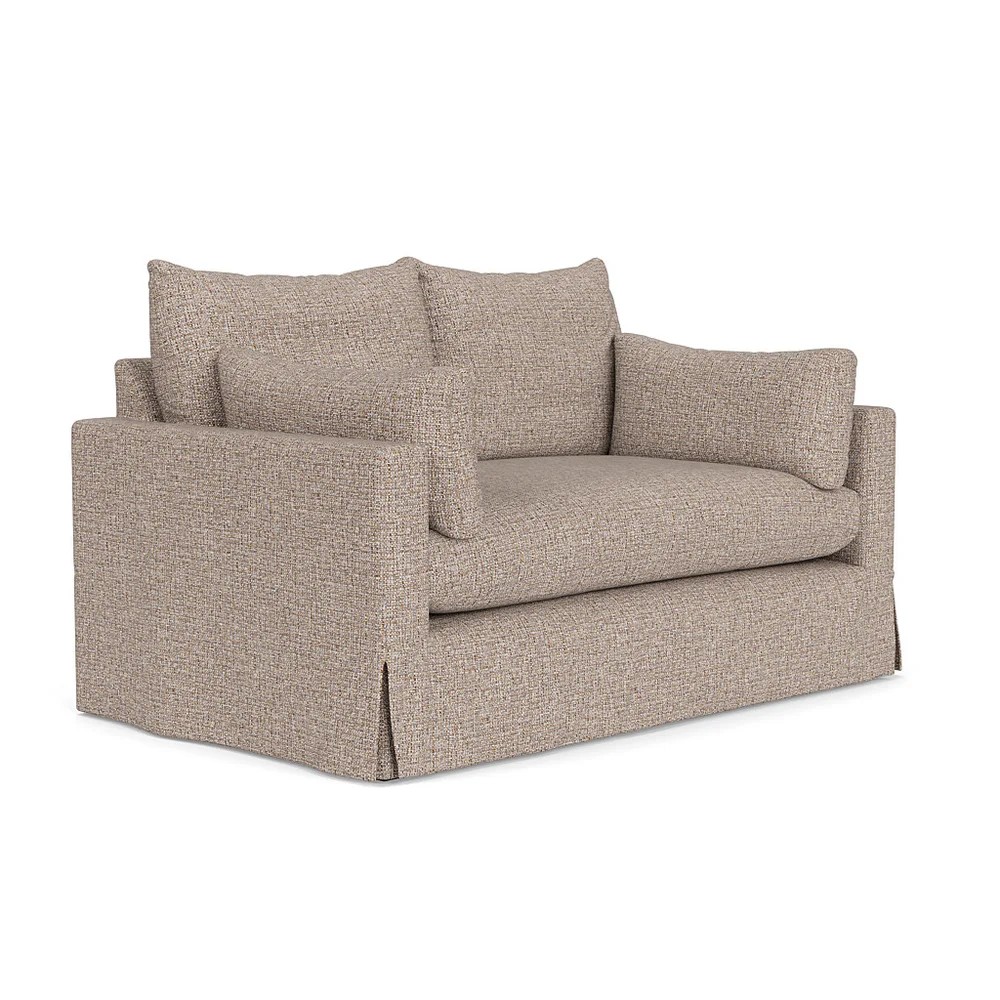
Choose finishes that can live with real use
Finishes should be judged by how they will live with ordinary use. Wood, painted surfaces and upholstery each develop differently over time. Useful questions include
– whether the finish is easy to wipe after everyday spills and fingerprints
– whether direct sunlight could create uneven fading across a prominent surface
– whether handles, doors and drawers feel comfortable when used repeatedly
– whether maintenance instructions suit the amount of care the household is willing to provide
The Cotswold Company can contribute a consistent base, but durability is partly a relationship between material and behaviour. A finish that suits the room’s traffic level is more valuable than one chosen only because it looks perfect when new.
Build continuity without buying a complete matching set
A timeless interior does not require every item to come from the same collection. In fact, a room can feel more natural when pieces share a few characteristics without matching exactly. Repeating wood undertones, hardware finishes or simple panel details can create continuity while allowing older furniture to remain. The Cotswold Company can act as one source within that mix rather than defining the entire room. The most convincing homes often develop gradually, with each addition responding to a specific need. When scale, storage and material are settled first, decorative decisions become less risky. The furniture can then support changing accessories, paint colours and textiles without needing to be replaced whenever the room is refreshed.
Storage should be planned by object type. Deep drawers can be useful for bulky knitwear but inefficient for small items that become stacked and forgotten. Adjustable shelves offer flexibility for books, baskets or tableware, while fixed shelves may provide greater structural simplicity. A sideboard used for dining essentials needs different internal proportions from one hiding games and electronics. Thinking through those contents before purchase prevents a common mistake where a large piece provides plenty of volume but surprisingly little usable organisation. Baskets, dividers and smaller boxes can improve existing furniture too, so a new cabinet should only be added when the room genuinely lacks the right kind of storage.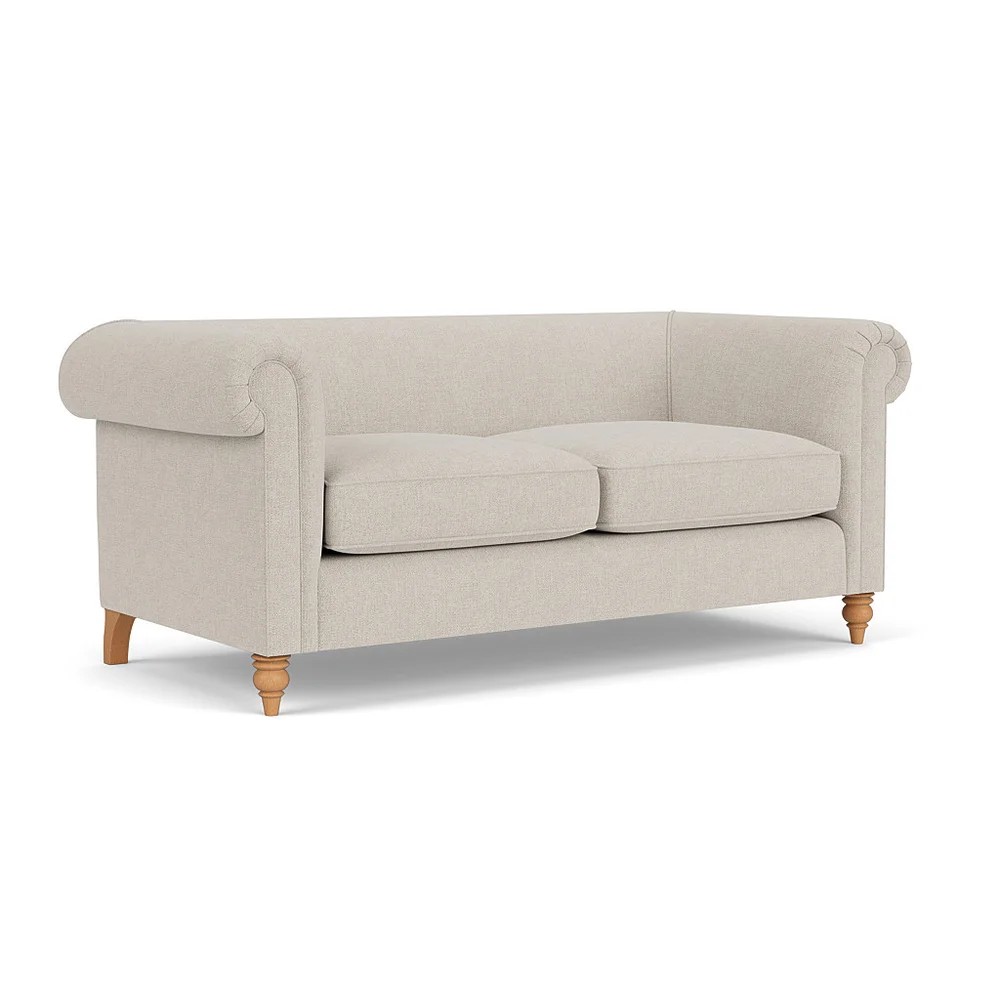
Timelessness also comes from repairability and the willingness to live with gradual change. Timber may develop small marks and colour variation, painted furniture can acquire signs of use and hardware may eventually need tightening or replacement. These changes do not always reduce the character of a piece. The important distinction is between normal wear and damage caused by unsuitable placement or neglect. Coasters, felt pads and sensible protection from heat or standing water can extend the life of surfaces without making the home feel precious. When furniture is chosen for function and maintained realistically, it is more likely to remain part of the home through redecorating, moving rooms and changes in family routine.
Room planning should leave space for future change as well. A cabinet that only fits one exact wall may become awkward after a move, while a versatile chest or table can shift between rooms as needs develop. Neutral foundations do not require a bland interior. They simply give paint, rugs, lighting and smaller decorative objects more freedom to change without forcing the main furniture to be replaced at the same time.